BMW X5 Air Suspension Guide and Replacement Solutions(OE:37126795013)
BMW X5 air suspension guide with troubleshooting replacement options OEM vs aftermarket cost and expert maintenance tips
Is your BMW X5 air suspension sagging or throwing a “Chassis Malfunction” warning? You aren’t alone. While this system delivers the “Ultimate Driving Machine” comfort, a failing air spring or compressor pump can quickly turn a luxury ride into a bumpy, expensive headache.
Whether you’re a DIY owner troubleshooting a rear air bag leak or a distributor looking for high-quality aftermarket solutions, you need the facts. In this guide, I’ll break down exactly how to diagnose E70, F15, and G05 suspension issues and why sourcing OEM-quality components doesn’t have to break the bank.
Let’s dive in.
Understanding the BMW X5 Air Suspension Components
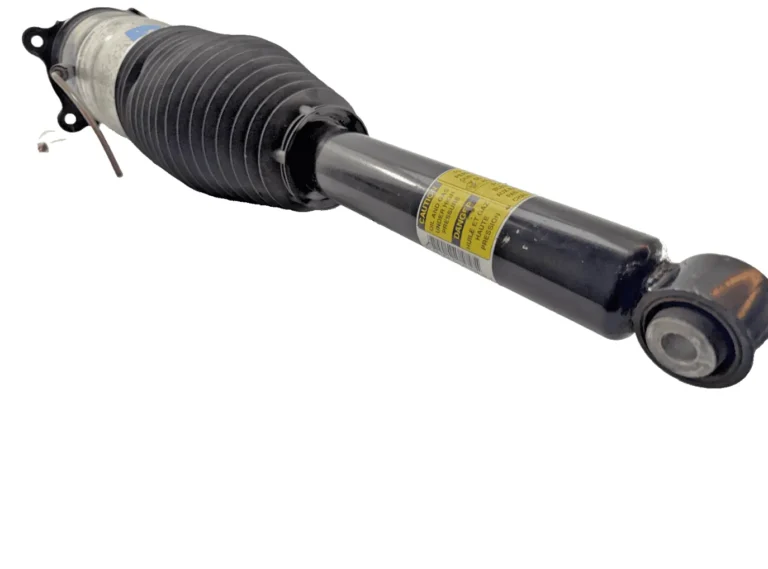
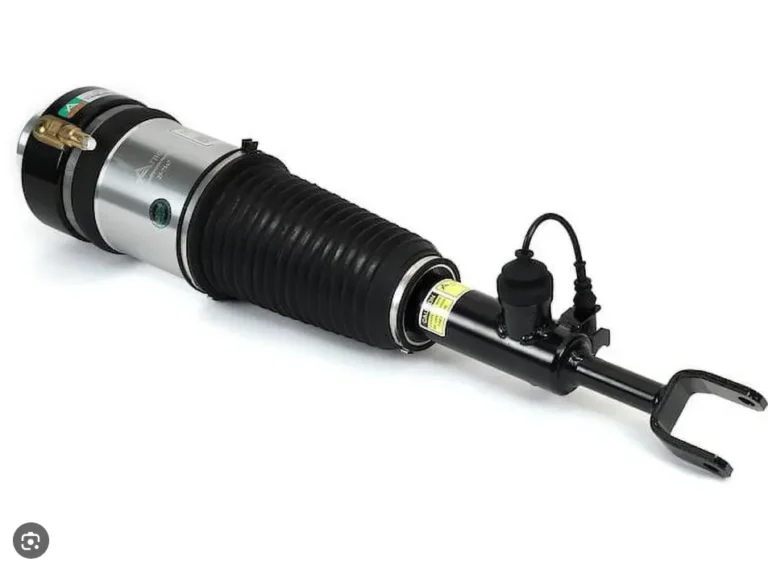
The BMW X5 air suspension is a sophisticated pneumatic suspension system designed to balance luxury comfort with heavy-duty load-leveling capabilities. Unlike traditional setups, this system relies on a network of interconnected parts to maintain the perfect ride height and damping.
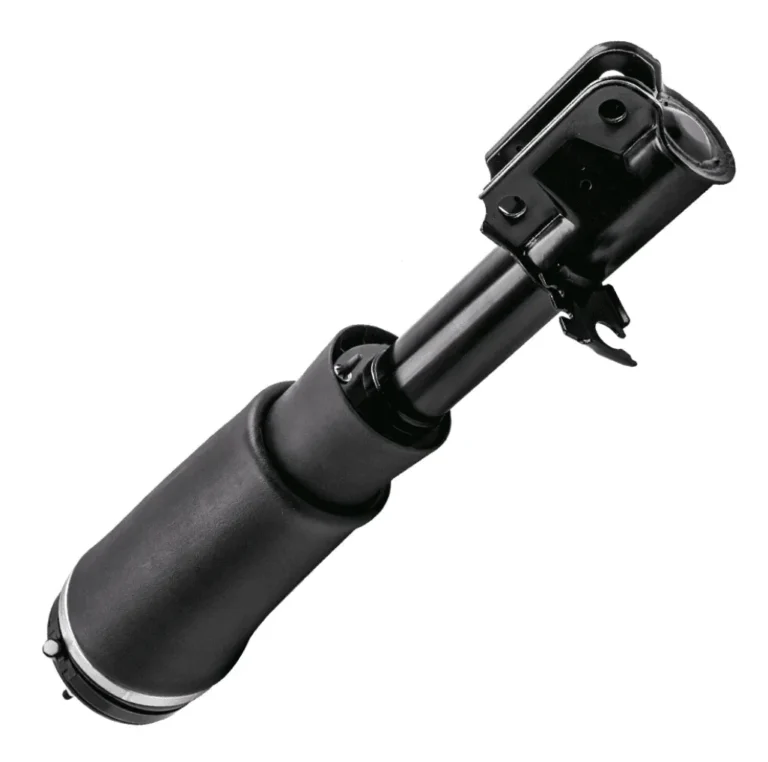
Air Springs and Rubber Bellows
The air springs are the most critical wear items in the system. These components replace traditional steel coils and are responsible for supporting the vehicle’s weight.
- Rubber Bellows: High-grade rubber bellows are engineered to expand and contract millions of times.
- Durability: Quality bellows must resist environmental factors like road salt, heat, and oil.
- Failure Point: Small cracks in the rubber are the leading cause of air leaks, often resulting in a sagging vehicle after it has been parked overnight.
The Compressor Pump Assembly
The suspension compressor pump serves as the heart of the system. It is an electric motor that generates the pressurized air needed to lift the chassis.
- High-Pressure Output: It forces air through the high-pressure air lines to the springs.
- Integrated Dryer: Most assemblies include an air dryer to prevent moisture from freezing or corroding internal valves.
- Overworking Risk: If an air spring has a leak, the compressor will run constantly to compensate, eventually leading to total motor burnout.
Electronic Control Unit and Ride Height Sensors
The “brain” of the BMW X5 air suspension consists of the Electronic Control Unit (ECU) and multiple ride height sensors.
- Real-Time Monitoring: Sensors at each wheel corner constantly measure the distance between the axle and the body.
- Automatic Calibration: The ECU processes sensor data to determine if the car is unlevel due to cargo or passengers.
- Precision: This system allows for ride height sensor calibration, ensuring the vehicle remains aerodynamic at high speeds and stable during cornering.
The Air Suspension Valve Block
The air suspension control valve block acts as the distribution hub for the entire system.
- Air Routing: It opens and closes specific internal solenoids to direct air from the compressor to the individual air bags.
- Pressure Retention: It is responsible for holding air within the lines. A malfunctioning valve block can cause one side of the vehicle to stay inflated while the other drops, or prevent the system from exhausting air to lower the vehicle.
BMW X5 Air Suspension Evolution: E53 to G05
The BMW X5 air suspension has seen a massive transformation over the last two decades. I’ve watched these systems move from basic load-leveling helpers to high-tech, four-corner setups that redefine ride quality for the American market.
E53 and E70 Rear Air Leveling Systems
In the early days of the E53 and E70, the focus was on utility. These models primarily used rear air leveling systems to keep the chassis flat while towing or carrying heavy cargo. While effective, the E70 rear air bag leak became a common headache for owners as the rubber aged and cracked under the pressure of daily driving.
F15 Improvements in Damping
With the F15 generation, BMW refined the pneumatic suspension system to prioritize passenger comfort. The integration of Dynamic Damper Control allowed the vehicle to react faster to road imperfections, though it still largely relied on rear-axle air springs for most standard trims to maintain its stance under load.
G05 Advanced 4-Corner Air Suspension
The current G05 model represents the peak of this evolution. It features a true G05 4-corner air suspension that allows drivers to adjust ride height by up to 80mm via a toggle switch or the key fob. This setup handles everything from high-speed stability to off-road clearance. However, more complexity means more potential for a self-leveling suspension malfunction. If you are troubleshooting a system failure, the diagnostic logic is often very similar to the Audi A6 C6 air suspension failure patterns we see across the European luxury segment.
| Generation | Suspension Type | Key Focus |
|---|---|---|
| E53 / E70 | Rear-only Air Leveling | Towing & Load Support |
| F15 | Rear Air + Adaptive Damping | Ride Comfort & Handling |
| G05 | Full 4-Corner Air Suspension | Adjustable Height & Versatility |
Common Symptoms of a Failing BMW X5 Air Suspension
Identifying a failing bmw x5 air suspension early can save you from a massive repair bill. When components start to wear out, the vehicle provides clear warning signs that the pneumatic suspension system is losing integrity.
The “Morning Sag” and Leaking Air Bags
One of the most frequent issues, especially with the E70 rear air bag leak, is seeing your vehicle sitting lower on one side after being parked overnight. This “morning sag” indicates that the rubber bellows have developed small cracks or pinhole leaks. While the car might level out once started, the constant leaking forces other components to work much harder than intended.
Excessive Compressor Noise
If you hear a loud humming or grinding noise coming from the rear or undercarriage, your suspension compressor pump is likely on its last legs. A healthy compressor should be barely audible. When it runs constantly to compensate for a leak, it overheats and eventually burns out.
Chassis Malfunction Warning Lights
Modern BMWs are equipped with sophisticated sensors that trigger a chassis malfunction warning light the moment the system detects a pressure drop or a height deviation. This often accompanies a self-leveling suspension malfunction message on the iDrive screen, indicating the electronic control unit can no longer maintain the correct ride height.
Poor Ride Quality and Handling
A compromised bmw x5 air suspension significantly degrades the driving experience. You might notice:
- A “bouncy” or “pogo-stick” feel over small bumps.
- Nose-diving during heavy braking.
- Body roll that feels excessive when taking corners.
- Uneven tire wear caused by the suspension failing to maintain proper alignment geometry.
Ignoring these symptoms usually leads to a total system collapse, leaving the vehicle resting on its bump stops and making it unsafe to drive. Promptly addressing a leak with a quality air spring replacement is the most cost-effective way to maintain your BMW’s signature handling.
DIY Diagnostic Steps for Your BMW X5 Air Suspension
If your BMW X5 is sitting lower than usual or displaying a “Chassis Malfunction” message, I recommend performing a few simple diagnostic steps at home. Pinpointing the failure in the pneumatic suspension system early can save you from a total compressor burnout.
The Soapy Water Leak Test
This is the most reliable way to find a physical leak in the air springs or high-pressure air lines without expensive tools.
- Prepare the solution: Mix water and a heavy amount of liquid dish soap in a spray bottle.
- Apply to components: Spray the solution directly onto the rubber bellows of the air springs and the connection points at the air suspension control valve block.
- Identify the leak: Watch closely for growing bubbles or foam. If you see bubbles forming, the air bag has a puncture and needs immediate replacement to prevent the compressor from overworking.
Checking Relays and Fuses
Before you assume the compressor pump is dead, check the electrical circuit. A self-leveling suspension malfunction is often caused by a simple blown fuse or a sticky relay.
- Locate the fuse box: Check the fuse diagram in the rear cargo area or under the dashboard.
- Inspect the relay: A faulty relay can cause the compressor to run continuously until it overheats. If the fuse is blown, it is usually a sign that the compressor was drawing too much current because it was struggling to keep up with a leak.
Scanning for OBD-II Fault Codes
A standard generic code reader might not catch BMW-specific chassis codes. I suggest using a BMW-specific OBD-II scanner to pull deep-level data.
- Read the codes: Look for specific faults like “480DB1” (Level control, control time, lifting) or “480DB2” (Level control, control time, lowering).
- Check sensor data: Use the scanner to monitor the live voltage of each ride height sensor. If one sensor shows a wildly different value while the car is on level ground, the sensor or its linkage is likely the culprit rather than the air bag itself.
Repair vs Replacement: Choosing the Best Fix for BMW X5 Air Suspension
When your BMW X5 air suspension starts to fail, you need to decide between a targeted repair or a complete component replacement. For many owners, replacing just the rubber bellows is the most cost-effective way to stop a leak. However, if the internal hydraulic shock has lost its damping force or is leaking oil, a full strut assembly is the only way to restore factory-spec handling.
- Replacing Rubber Bellows: Ideal when the leak is strictly in the air bag and the shock absorber is still performing well.
- Full Strut Replacement: Necessary if the vehicle bounces excessively or if there is visible oil on the strut body.
- Rear Air Bags: On models like the E70 and F15, the BMW rear air suspension is a common failure point; replacing these with reinforced aftermarket units often provides better-than-OEM durability.
The Risks of Patching Air Leaks
Never attempt to “patch” a leaking air bag with sealants or tire plugs. The pneumatic suspension system operates under extreme pressure that will easily blow through temporary fixes. Furthermore, liquid sealants can travel through the lines and clog the air suspension valve block or damage the compressor, turning a simple air bag swap into a multi-thousand-dollar nightmare.
Air Suspension vs Coil Spring Conversion
In the United States, many owners of older X5 models consider a coil spring conversion kit to eliminate air-related headaches permanently. While this offers “set it and forget it” reliability, it comes with significant trade-offs:
| Feature | Air Suspension | Coil Spring Conversion |
|---|---|---|
| Ride Quality | Superior, “cloud-like” comfort | Firmer, traditional feel |
| Self-Leveling | Maintains height regardless of load | Rear will squat under heavy cargo |
| Resale Value | Higher for enthusiasts | Often lower due to modified status |
| Maintenance | Requires periodic part replacement | Zero maintenance after install |
Sticking with the air system is usually the preferred choice for those who value the premium BMW driving experience and the ability to tow or haul without sagging. Using high-quality aftermarket components allows you to maintain these features at a fraction of the dealership’s price.
Sourcing High-Quality Aftermarket BMW X5 Air Suspension
Finding a balance between cost and reliability is the primary concern for BMW owners and repair shops. While OEM parts carry a heavy brand premium, our aftermarket solutions focus on performance and longevity. As a specialized air suspension lift kit manufacturer, we ensure our components meet the rigorous demands of the American market.
OEM vs. Aftermarket Cost Comparison
The price difference is often the deciding factor for B2B wholesalers and individual owners. Choosing a high-quality aftermarket part can save up to 60% compared to dealership prices without sacrificing ride comfort or safety.
| Comparison Metric | OEM Dealer Parts | Hotshin Aftermarket Parts |
|---|---|---|
| Average Cost | $1,200 – $2,500+ | $300 – $800 |
| Rubber Quality | Standard Grade | Reinforced Multi-layer |
| Crimping Rings | Standard Steel | High-Strength Aluminum/Steel |
| Supply Chain | Restricted Dealer Network | Direct Factory Wholesale |
Hotshin Automotive Parts Quality Standards
We take pride in our manufacturing process. Every bmw x5 air suspension component we produce undergoes strict pressure testing and durability cycles. Our parts, similar in build quality to our Mercedes-Benz W166 air suspension, are designed to withstand extreme temperature fluctuations and heavy loads.
- Reinforced Crimping: We use heavy-duty rings to prevent air leaks at the connection points, which is the most common failure in cheaper alternatives.
- Material Durability: Our air bags feature high-density natural rubber infused with premium cord fabric for maximum burst pressure resistance.
- B2B Manufacturing Advantages: We provide a streamlined supply chain for distributors, offering wholesale prices, flexible MOQs, and private label (OEM/ODM) services.
- Precision Engineering: Every valve block and strut is CNC-machined to ensure a perfect fit for the E70, F15, and G05 chassis.
By sourcing directly from a China air suspension lift kit factory, businesses can secure better margins while providing customers with a product that handles the road just as well as the original equipment. Our focus on material durability ensures that the “morning sag” becomes a thing of the past for your clients.
Installation Tips and Maintenance for BMW X5 Air Suspension
Properly installing and maintaining your BMW X5 air suspension is the only way to ensure long-term reliability and avoid repeat failures. Whether you are a shop owner or a DIY enthusiast, following a strict protocol prevents premature wear on new components.
Essential Maintenance: Cleaning Road Debris
The number one killer of air springs is abrasion. Road salt, sand, and grime accumulate in the folds of the rubber bellows. Over time, this debris acts like sandpaper, wearing through the material until a leak forms.
- Pressure Wash: Regularly spray down the air bags during the winter months to remove salt.
- Visual Inspection: Check for “checking” or small cracks in the rubber every 10,000 miles.
- Avoid Lubricants: Never apply oil-based dressings to the rubber; these can degrade the specialized compounds used in high-quality BMW air suspension components.
Calibration and Technical Requirements
Replacing a physical air bag is only half the job. The BMW Electronic Control Unit (ECU) must be told that a repair has occurred to ensure the vehicle sits level.
| Task | Requirement | Why It Matters |
|---|---|---|
| Ride Height Calibration | Diagnostic Tool (ISTA/Autel) | Ensures the ride height sensor calibration is accurate for even tire wear. |
| Line Inspection | Soapy Water Test | Prevents the compressor from overworking due to tiny leaks in high-pressure air lines. |
| System Reset | OBD-II Scanner | Clears “Chassis Malfunction” codes and resets the compressor duty cycle. |
Professional vs. DIY Installation
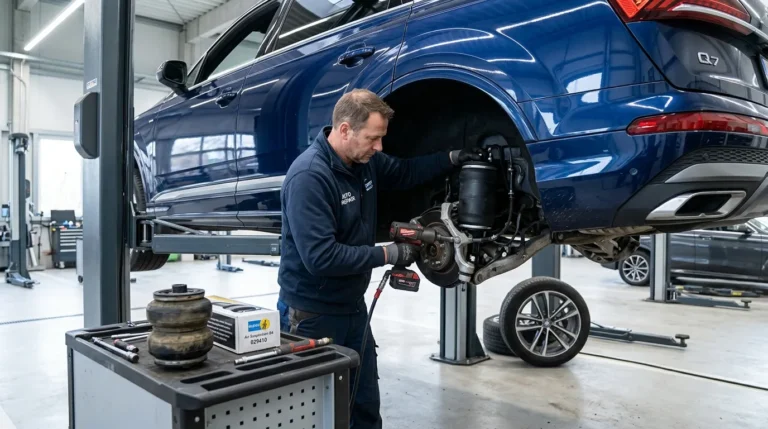
While a DIYer can replace a rear air bag on an E70 or F15 with basic tools, the G05 4-corner system is significantly more complex.
- DIY Requirements: You need a sturdy jack, jack stands, and a way to depressurize the system safely. Working on a pressurized system is dangerous and can damage the air suspension control valve block.
- Professional Requirements: A shop environment is preferred for any front strut replacement or compressor swap. This ensures the system is vacuum-tested and the pneumatic suspension system is free of moisture, which prevents internal freezing during US winters.
I always advise double-checking the torque specs on the top mounts and ensuring the airline fittings are seated perfectly. A loose fitting is the most common cause of a “new” part failing to hold air overnight.
Frequently Asked Questions About BMW X5 Air Suspension
How long do BMW X5 air bags last?
In my experience, the factory bmw x5 air suspension bags typically last between 60,000 and 100,000 miles. The lifespan depends heavily on your local climate and driving habits. In regions with extreme temperature swings or heavy road salt, the rubber bellows dry out and crack faster. I always recommend a visual inspection every time you do an oil change once you hit the 70k-mile mark to catch small leaks before they kill your compressor.
Can I drive with a chassis malfunction light?
You should avoid driving long distances if the chassis malfunction warning light is active. This light often indicates a leak or a sensor failure. If you continue to drive, the compressor will work overtime to compensate for the air loss, eventually burning itself out. If the vehicle is visibly sagging or “bottomed out,” do not drive it; you risk damaging the control arms, tires, and even the vehicle’s frame.
How much does it cost to replace BMW air suspension?
Costs vary wildly depending on where you get the work done. A BMW dealership might quote you anywhere from $1,500 to $3,000 for a full rear setup. However, you can save a significant amount by sourcing high-quality aftermarket components. For example, our BMW X5 xDrive30i air suspension replacements offer OEM-grade performance at a fraction of the dealer price.
Quick Cost Breakdown:
- DIY Parts: $300 – $800 (depending on brand and components).
- Independent Shop: $800 – $1,500 (parts + labor).
- Dealership: $2,000+ (premium labor rates and OEM markup).
Investing in a reliable air spring replacement early prevents a much more expensive bill for a burnt-out compressor pump or a damaged valve block.