
Audi A6 C6 (2006-2011) Air Suspension Failure: OE 4F0616039R Replacement & Troubleshooting
The Audi A6 C6’s Adaptive Air Suspension (AAS) is essential for ride comfort and stability, but its components degrade over time, particularly the front left air strut (OE 4F0616039R). Common failures include sagging, compressor cycling, and dashboard warnings. Understanding these issues aids in sourcing quality aftermarket replacements.
Introduction
The Audi A6 C6 (4F platform) was widely praised for its Adaptive Air Suspension (AAS), a system that dynamically balances ride comfort and cornering stability. However, as these vehicles surpass the decade mark, the pneumatic components face inevitable degradation. One of the most frequently sourced replacement components in the global aftermarket is the front left air strut, designated by OE number 4F0616039R.
For B2B distributors, mechanics, and European auto parts exporters, understanding the specific failure modes of this component is critical. This guide breaks down the exact specifications of OE 4F0616039R, synthesizes global failure reports from Audi technicians, and provides a root cause analysis to help you make informed decisions when sourcing aftermarket replacements.
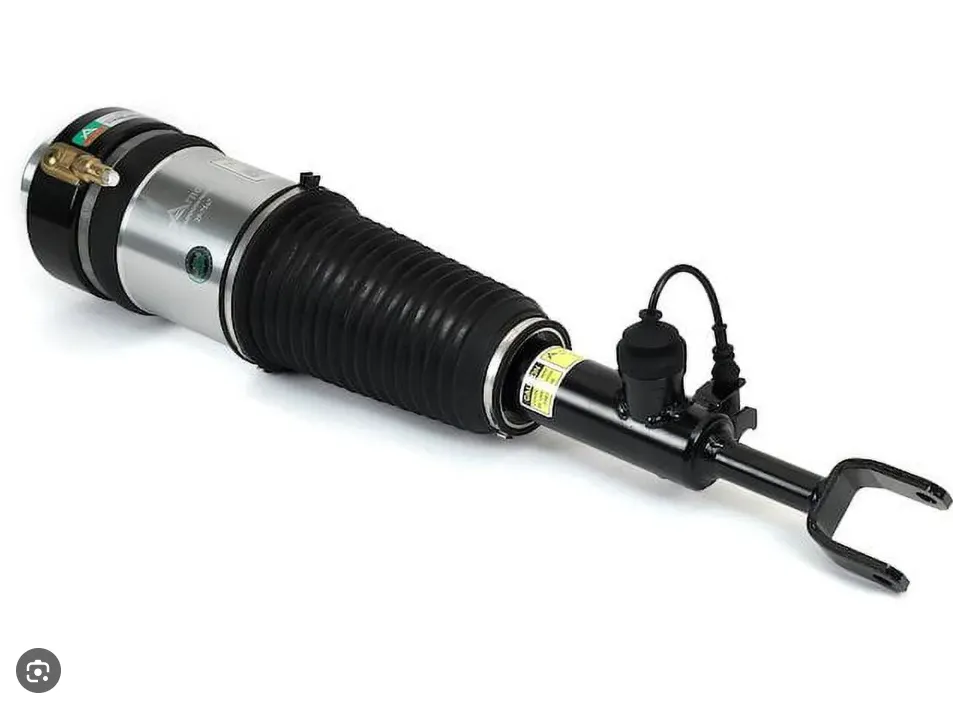
Product Identification
Before diagnosing system faults, it is necessary to verify exact fitment. The OE 4F0616039R refers strictly to the driver’s side (in left-hand drive configurations) pneumatic shock absorber assembly.
Interchangeable OE/Superseded Numbers: 4F0616039R-4F0616039AA-4F0616039S-4F0616039T-4F0616039Q-4F0616039P-4F0616039N-4F0616039M-4F0616039J. (Note: The right-side equivalent is typically denoted by 4F0616040 series).
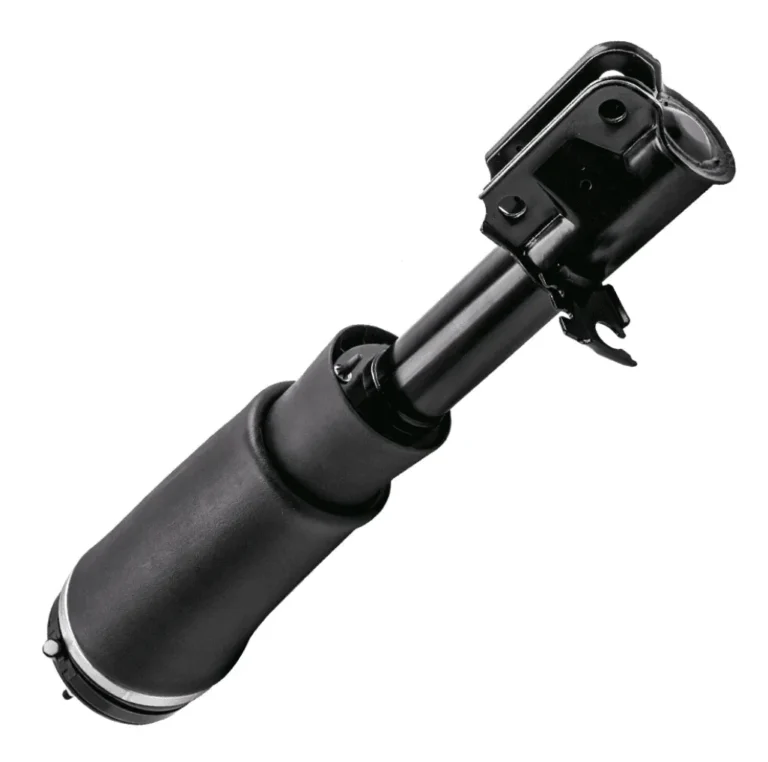
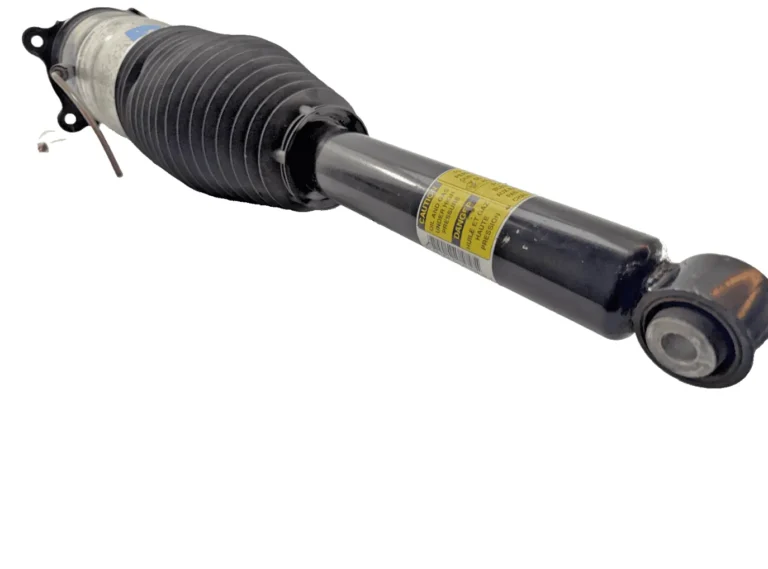
Product Name: Front Left Air Suspension Strut Assembly / Air Spring Bag
Compatible Vehicle Models: Audi A6 (C6), Audi S6, Audi A6 Allroad Quattro
Vehicle Platforms: C6 / 4F
Production Years: 2006 – 2011
Installation Position: Front Axle, Left
Before you start typing away, it’s crucial to understand your audience. Who are they? What are they interested in? Understanding your audience helps you tailor your content to their interests, ensuring that your blog resonates with them.
Common Problems & Symptoms
Based on global repair data, mechanic forums, and real-world failure analysis, the front left air strut exhibits predictable symptoms when reaching the end of its lifecycle (typically between 60,000 to 100,000 miles).
1. Front-End Sagging (The “Overnight Drop”) The most universally reported symptom is an uneven ride height. Users often find the front-left corner of the vehicle collapsed after being parked overnight. Initially, the system may pump back up upon starting the engine, but the leak will progressively worsen.
2. Constant Air Compressor Cycling Because the air bladder is bleeding pressure, the AAS control module continuously commands the air compressor to run to maintain trim height. This is a severe secondary issue; a leaking 4F0616039R will rapidly burn out the compressor motor if not addressed promptly.
3. Dashboard Warning Lights A yellow or flashing green suspension warning icon on the instrument cluster indicates that the system is failing to achieve the target pressure or that the vehicle is outside the safe operating ride height. The control module may eventually trigger a hard fault and lock the suspension in “limp mode.”
4. Bottoming Out & Harsh Ride When the air spring fails to hold pressure, the strut loses its pneumatic damping curve. The suspension will frequently bottom out over speed bumps, transferring harsh kinetic impacts directly into the chassis.
Causes of Failure
Understanding the root cause of these failures helps in selecting high-quality aftermarket replacements that engineer out original design flaws.
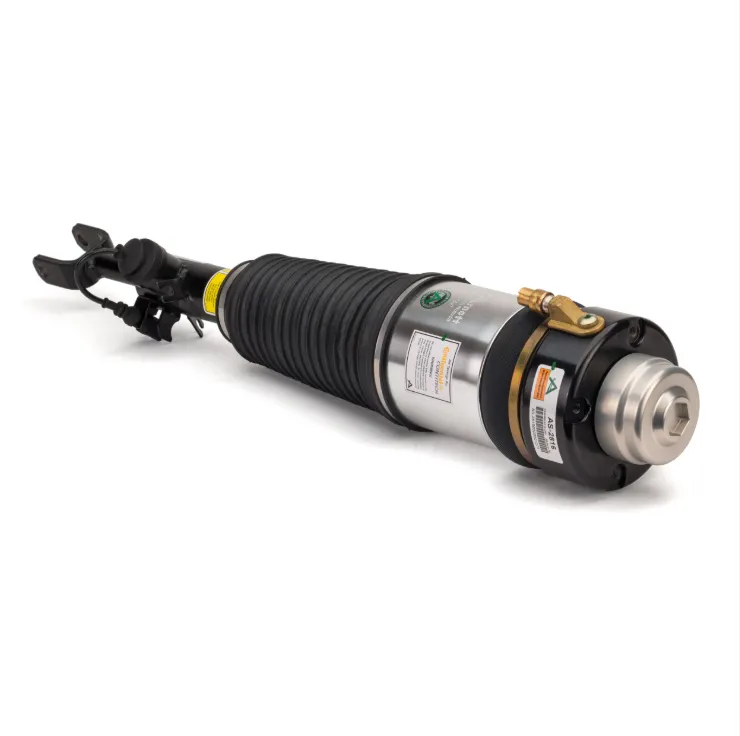
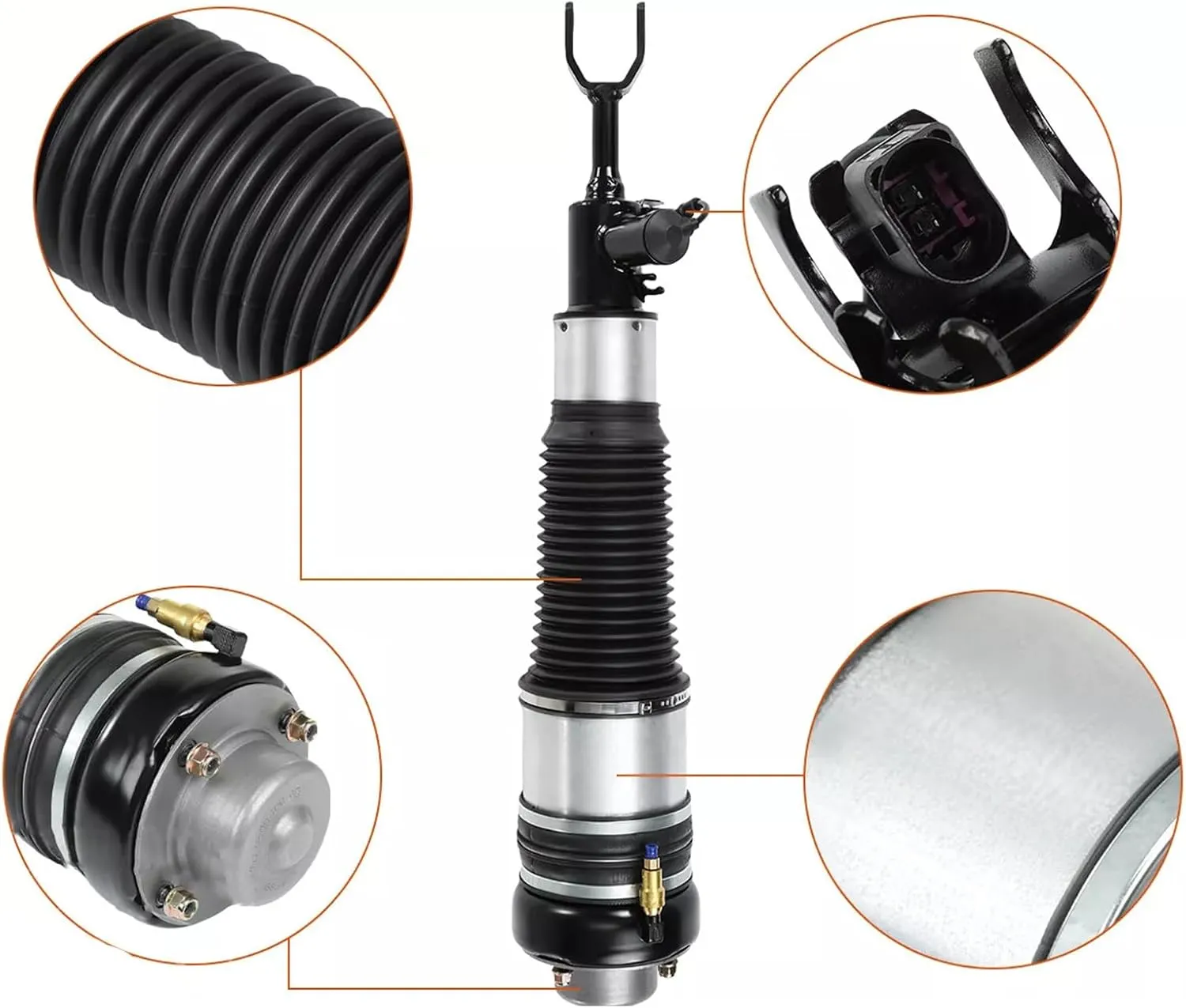
Material Fatigue and Dry Rot The primary failure point of OE 4F0616039R is the rubber air bladder (bellows). Positioned inside the wheel well, this rubber is subjected to extreme thermal cycling (heat from the engine and brakes, freezing ambient temperatures), road salt, and ozone. Over years of continuous flexing, micro-tears develop along the folding points of the bladder, eventually rupturing.
Compromised Crimp Rings Heavy-duty steel crimp rings secure the rubber air sleeve to the upper mount and the lower shock body. Global failure reports indicate that corrosion or sudden impacts can cause these rings to lose their clamping force, creating a microscopic gap where pressurized air escapes. Quality aftermarket units often utilize reinforced, CNC-machined crimping rings to prevent this.
Internal Shock Absorber Leakage The 4F0616039R is a complete strut assembly—meaning it contains both an air spring and a traditional gas/oil shock absorber. If the internal hydraulic seals fail, the dampening oil can leak directly into the air chamber. Petroleum-based oils rapidly degrade the internal rubber lining of the air spring, causing it to rot from the inside out.
Voss Fitting Thread Damage The residual pressure valve and the Voss air line fittings located at the top of the strut are common sites for slow leaks. O-rings within these fittings flatten out over time due to pressure and temperature, resulting in a continuous hiss of escaping air.
Installation & Replacement Tips
Replacing the OE 4F0616039R replacement is a standard procedure for experienced technicians, but it requires specific precautions to prevent damaging the new aftermarket part or the vehicle’s aluminum suspension geometry.
- VCDS Depressurization: Never disconnect an air line without first depressurizing the system. Use a diagnostic tool (like VCDS) to electronically bleed the residual pressure from the front left strut and the valve block.
- The Infamous Pinch Bolt: The Audi C6 utilizes a steel pinch bolt securing the upper control arms to the aluminum steering knuckle. This bolt is notorious for galvanic corrosion and seizing. Apply penetrating fluid generously before attempting removal, and always replace the bolt with a new OEM fastener during reassembly.
- Proper Pre-Inflation: Critical step. Once the new aftermarket air strut is installed, do not drop the vehicle completely off the jack or lift. The air bag must be partially inflated while the suspension is unloaded. If the full weight of the vehicle crushes an un-inflated bladder, the rubber can fold incorrectly and instantly rupture the new part when the compressor kicks on.
- Replace in Pairs: While it is mechanically possible to replace just the front left (4F0616039R), industry best practice dictates replacing the front right (4F0616040R) simultaneously. If the left side’s rubber has reached the end of its life, the right side is mathematically close to failing as well.
Conclusion
The OE 4F0616039R air suspension strut is a high-wear component critical to the safety and ride quality of the Audi A6 C6 platform. Global failure data points to rubber fatigue, crimp ring failure, and internal oil leaks as the primary culprits. For B2B buyers and workshop managers, sourcing aftermarket replacements that feature multi-ply rubber bladders, aircraft-grade aluminum top mounts, and upgraded hydraulic seals is the best way to guarantee longevity and prevent costly comebacks.
By understanding the exact failure mechanisms and strictly adhering to proper pre-inflation installation procedures, technicians can restore the Audi A6’s factory ride quality and protect the broader pneumatic system from cascading failures.
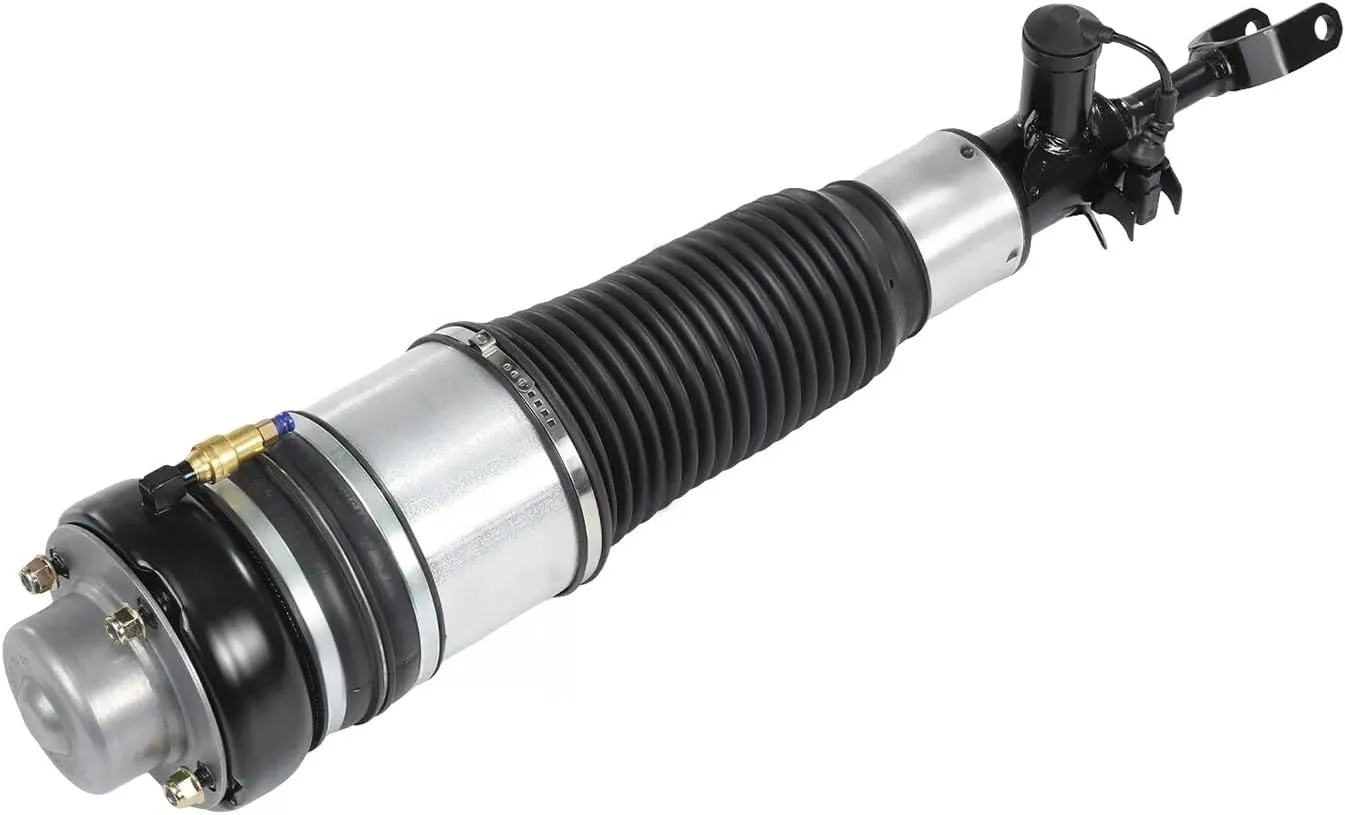
If you want to buy it and please click the below picture

一条评论