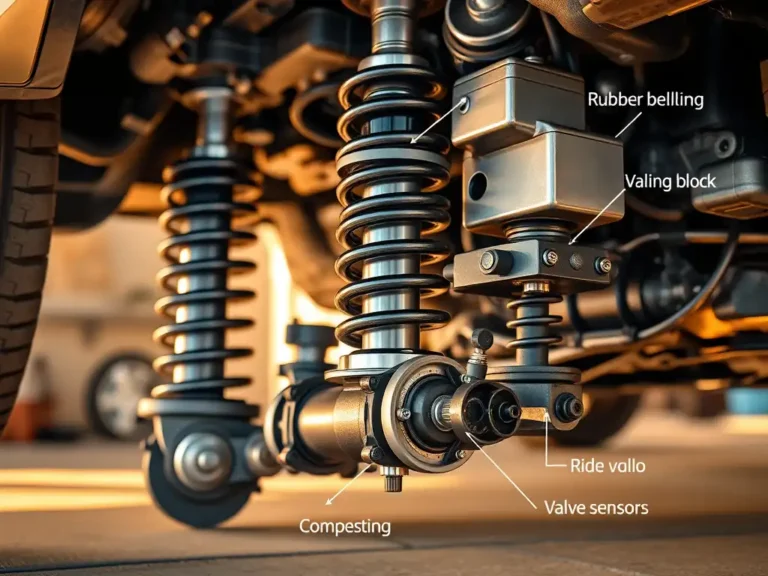
Air suspension replacements guide for diagnosing leaks compressors and OEM spec aftermarket air springs for Audi BMW Jeep and more
A sagging rear end or a “Suspension Malfunction” light is more than a nuisance—it’s the inevitable reality of pneumatic systems. Whether you’re a shop owner or a vehicle enthusiast, navigating air suspension replacements often feels like a choice between overpriced OEM parts and questionable low-tier imitations.I’ve spent years analyzing the failure points of air ride bellows and compressor pumps to help professionals restore that “factory-fresh” ride without the dealership markup.In this guide, you’ll learn how to pinpoint air spring leaks, troubleshoot solenoid valve blocks, and determine when to choose individual components over a coil spring conversion.Let’s dive right in.
Diagnosing a Failing Air Suspension System
I’ve spent years helping drivers and shop owners navigate the complexities of luxury ride quality, and I can tell you one thing for certain: your air suspension won’t suffer in silence. It gives off clear, diagnostic clues before it leaves you stranded. Recognizing these warning signs early is the key to preventing a cascading failure that could take out your entire air spring assembly.
Spotting the “Parking Lot Sag”
The most visual indicator of trouble is what we call “Parking Lot Sag.” If you walk out to your vehicle and find one corner leaning or the entire rear end “slammed” to the pavement, you have a suspension leak. This typically indicates that the air ride bellows have developed dry rot or small punctures, preventing the system from holding pressure overnight.
Overactive Air Compressor Pumps
Listen to your vehicle. Your air compressor pump should run briefly to level the car and then shut off. If you hear that pump humming constantly, or if it sounds louder and more strained than usual, it’s working overtime to compensate for a leak. This is the primary cause of premature air compressor pump failure. When the pump runs non-stop, it overheats and eventually burns out, turning a simple air bag replacement into a much more expensive repair.
Dashboard Warnings and Physical Tests
Modern vehicles are equipped with sophisticated ride height sensors that communicate directly with your dash. You need to take these signals seriously:
Dash Codes: If you see “Suspension Malfunction,” “Level Control System Failure,” or a “Car Too Low” warning, the ECU has detected a pressure drop or a malfunctioning solenoid valve block.
The DIY Bounce Test: You can check the dampening health yourself. Push down firmly on each corner of the vehicle. A healthy system should rebound and settle immediately. If the car continues to bounce, the internal shocks or pneumatic suspension struts are no longer providing the necessary resistance.
Ignoring these symptoms doesn’t just hurt your ride quality; it compromises your braking distance and handling safety. Effective suspension leak detection is the first step in maintaining the “cloud-like” performance you expect from your vehicle.
Key Components for Effective Air Suspension Replacements
To get a vehicle back to factory ride height, we prioritize high-quality air ride bellows and heavy-duty air spring assembly units. Cutting corners on rubber quality leads to premature dry rot and leaks. For those working on luxury builds, choosing a BMW 7 Series air spring ensures the fitment and pressure ratings match the original specs exactly.
Essential Parts for a Reliable Repair
A successful overhaul involves more than just swapping a bag. We focus on the entire ecosystem to prevent “comeback” repairs:
Air Compressor Pump: Don’t just replace the pump. We always check the relay and find the leak that caused the initial air compressor pump failure to avoid burning out the new motor.
Full Strut vs. Air Bag: If the hydraulic shock is leaking oil or the damping is gone, a simple air bag swap won’t fix the ride. In these cases, installing a complete Mercedes-Benz W166 air suspension strut is the smarter, labor-saving choice.
Solenoid Valve Block: This is the “brain” of the system. If one corner refuses to lift or the car sits unevenly despite new bags, we troubleshoot the valve block for internal blockages or electrical failure.
Component
Role in the System
Common Failure Sign
Pneumatic suspension struts
Supports vehicle weight and dampens road shock.
Visible cracking, oil leaks, or “bottoming out.”
Solenoid valve block
Distributes air from the compressor to each corner.
Vehicle won’t level correctly or stays stuck high/low.
Air compressor pump
Generates the air pressure needed for the lift.
Excessive noise or “Suspension Malfunction” dash light.
I recommend a “system-first” approach. By verifying the integrity of the solenoid valve block and the lines during air suspension replacements, you ensure the new components aren’t stressed by a failing peripheral part. This strategy maximizes durability and keeps the air ride feeling smooth and responsive.
Model-Specific Air Suspension Replacement Trends
Luxury and utility vehicles in the US face unique wear patterns depending on their design and typical usage. I’ve seen a consistent demand for Audi A6 and BMW 7 Series repairs, where the rear air bags are often the first to go due to constant load-leveling. Maintaining the luxury feel of your sedan requires precision parts, like our Audi air spring with reservoir, which mirrors the performance found in high-end A6 and A8 setups.
Common Issues by Manufacturer
Audi & BMW: These models often struggle with suspension leak detection in the rear bellows. Catching a leak early prevents the air compressor pump from overworking and failing prematurely.
Porsche Macan & Cayenne: These pneumatic systems operate under high pressure. Using OEM-spec rubber components is non-negotiable if you want to keep the sharp, active handling these SUVs are known for.
Ram 1500 & Jeep Grand Cherokee: The Quadra-Lift system is a favorite for off-roaders and towers, but it’s prone to valve block issues and air spring cracks, especially in colder US climates.
Volvo: While Volvo air springs are built for heavy-duty towing and durability, the rubber eventually degrades, leading to a noticeable “parking lot sag” that requires a full air spring assembly swap.
Vehicle Type
Common Failure Point
Recommended Strategy
Luxury Sedans (BMW/Audi)
Rear air ride bellows
Replace in pairs to ensure even ride height
Performance SUVs (Porsche)
Pneumatic strut seals
Use high-grade aftermarket air bags for longevity
Trucks/Off-Road (Ram/Jeep)
Solenoid valve block
Regular moisture purging and bellows inspection
For those managing a fleet of European models, ensuring a precise rear air spring fitment is the best way to reduce labor comebacks and keep customers on the road. Whether it’s a daily driver or a workhorse, matching the replacement part to the specific vehicle’s weight and pressure requirements is the only way to guarantee a successful air suspension replacement.
Smart Replacement Strategy: Components vs. Full Kits
When I talk to shop owners and DIYers, the debate usually boils down to a quick fix versus a long-term solution. Choosing between individual air ride bellows and complete air spring assembly kits changes everything from your upfront costs to the long-term reliability of your vehicle.
Why You Should Always Replace in Pairs
I can’t stress this enough: if the front-left air bag has failed, the front-right is usually not far behind. Air suspension replacements should always be done in pairs across the same axle. Replacing just one side often leads to uneven pressure distribution, causing the older component to fail prematurely and putting unnecessary strain on your air compressor.
Balanced Handling: Ensures the vehicle remains level during cornering.
Even Wear: Both components will have the same service life and rubber elasticity.
Cost Efficiency: You save on labor by doing both while the car is already on the lift.
Coil Spring Conversion vs. Air Suspension
For some owners, the complexity of a pneumatic system is a headache they want to avoid. However, there are significant trade-offs to consider before ditching the air.
Feature
Air Suspension
Coil Spring Conversion
Ride Quality
“Cloud-like” and adaptive
Firmer, traditional feel
Load Leveling
Automatic (Great for towing)
Static (Will sag under weight)
Maintenance
Periodic leak checks
Set-it-and-forget-it
Resale Value
Higher (Preserves OEM specs)
Lower (Modified status)
Reducing Labor Costs with Integrated Assemblies
If you want to get back on the road faster, I recommend using integrated assemblies rather than just swapping out the rubber bellows. For instance, installing a full Land Rover air suspension front right unit is much simpler than trying to rebuild a weathered strut in a crowded garage.Integrated units come pre-sealed and tested, which virtually eliminates the risk of installation errors like pinched O-rings or slow leaks at the solenoid connection. For those working on European models, sourcing a high-quality Audi A6 rear air spring as a complete bolt-on part can shave hours off the repair time, making the slightly higher part cost worth every penny in labor savings.
The Aftermarket Advantage: Quality and Materials
When it comes to air suspension replacements, the material science is what separates a one-year fix from a long-term solution. I focus on the “rubber factor” because that is the primary point of failure. Using OEM-spec rubber components isn’t just a marketing phrase; it’s about ensuring the vibration damping stays consistent whether it’s 100°F in Texas or -20°F in Minnesota.
Why the Rubber Factor Matters for Durability
The durability of aftermarket air bags depends on the flexibility and tensile strength of the bellows. If the rubber is too stiff, it cracks; if it’s too thin, it balloons.
High-Grade Chloroprene: We use specialized rubber compounds that resist oil, heat, and road salt.
Multi-Layer Cross-Ply: This provides the structural integrity needed for heavy-duty air ride bellows to maintain their shape under load.
Precision Crimping: Ensuring the aluminum rings create a permanent, leak-proof seal against the rubber.
For the pros running a shop or a parts warehouse, a “good price” doesn’t matter if the part comes back in three months as a warranty claim. You need a trade partner who prioritizes suspension durability over cutting corners.
100% Fitment Guarantee: No “modifying” parts to make them fit.
Performance Tested: Every air spring assembly is pressure tested to ensure zero leaks.
Consistent Supply: Maintaining stock for high-demand models, such as the Audi Q7 air spring front right, to keep your bays moving.
Choosing the right materials means fewer comebacks and more satisfied customers who trust your expertise.
Why Partner with a Specialized China-Based Supplier?
In the competitive US auto parts market, your reputation depends on the reliability of your inventory. I’ve built our supply chain to ensure that every air suspension replacement we ship meets strict quality benchmarks while keeping your overhead low. Working directly with specialized air suspension kit suppliers allows for a level of precision and speed that local distributors often can’t match.
Supply Chain Efficiency for Global Car Fleets
We manage high-volume production for a diverse range of vehicles, from luxury European sedans to heavy-duty American trucks. Our logistics are optimized for the B2B sector, offering:
100% Fitment Guarantee: Our engineers use advanced cross-referencing to ensure every air spring assembly matches the original equipment perfectly.
Fast Global Delivery: We minimize downtime for your clients with streamlined shipping and inventory management.
Direct Technical Support: You get expert guidance on installation and troubleshooting, ensuring a smooth service experience for the end-user.
B2B Value and Cross-Reference Accuracy
Accuracy is everything when dealing with complex pneumatic suspension struts. We provide a comprehensive air spring types guide to help you identify the exact parts needed for your specific fleet. By prioritizing vibration damping and OEM-spec rubber standards, our products provide the durability your customers expect. We aren’t just a vendor; we are a strategic partner focused on growing your shop’s profitability through consistent quality and technical reliability.
Air Suspension Replacement FAQs
We get a lot of questions from drivers and shop owners about the best way to handle air suspension replacements. Whether you’re dealing with a sagging rear end or a noisy compressor, here are the straight answers you need to keep your ride level.
Is it expensive to replace air suspension?
Costs vary depending on your vehicle and whether you choose individual parts or full kits. While dealership prices for pneumatic suspension struts can be steep, high-quality aftermarket options provide the same performance for significantly less. For instance, diagnosing an Audi A6 air suspension failure early can save you from a much larger repair bill later.
How do I know if my air bag is leaking?
The most obvious sign is the “parking lot sag,” where one corner of the car sits lower than the rest after being parked overnight. You can also:
The Soap Suds Test: Spray a mix of soap and water on the air ride bellows; if you see bubbles, you have a leak.
Listen Close: A hissing sound near the wheel well is a dead giveaway of a perforated air spring.
Check the Pump: If your air compressor pump is running constantly, it’s working overtime to fill a leaking bag.
Can I switch to regular coil shocks?
Yes, a coil spring conversion is a popular alternative for older vehicles where the cost of the air system exceeds the car’s value. However, keep in mind:
Ride Quality: You will lose the “cloud-like” feel and the load-leveling capabilities.
Resale Value: Many luxury buyers expect the factory air ride experience.
How long does a replacement air compressor last?
A quality air compressor pump typically lasts between 3 to 5 years. Its lifespan is directly tied to the health of your air springs. If your air bags have even a tiny leak, the compressor will burn out prematurely from constant cycling. Replacing a failed unit is common in luxury SUVs, such as when performing a Land Rover L322 air suspension strut replacement, to ensure the whole system stays pressurized.
Are aftermarket air bags as good as OEM?
In many cases, yes. Our aftermarket air suspension replacements use OEM-spec rubber components that match or exceed factory standards for vibration damping and durability. The key is sourcing from a supplier that focuses on high-grade materials and 100% fitment accuracy. You get the same luxury feel without the “luxury” price tag.
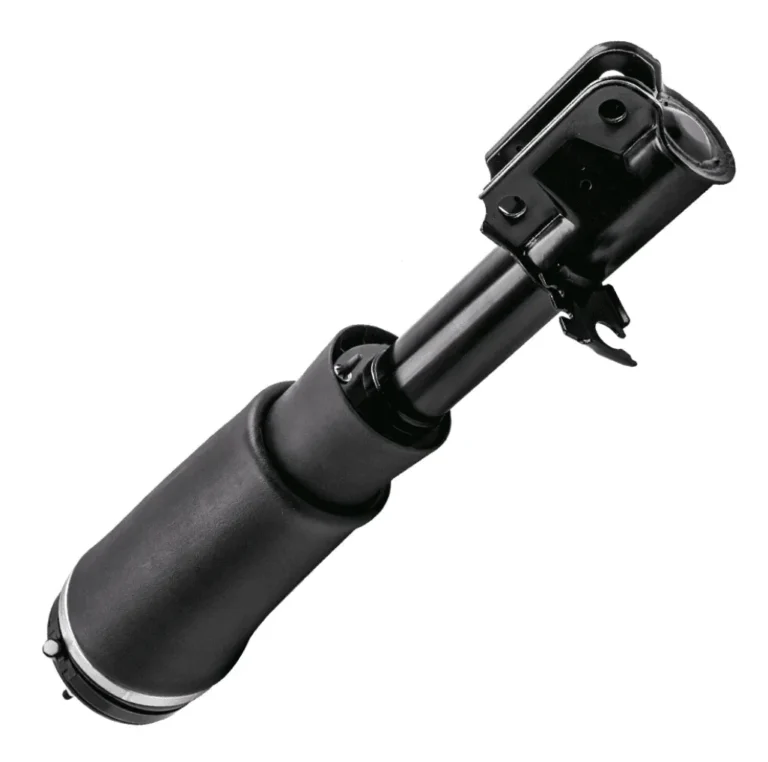
The RNB501520 front air suspension spring is a premium replacement component engineered specifically for Land Rover Range Rover vehicles equipped with factory air suspension systems. Designed to restore original ride comfort, handling stability, and off-road capability, this air strut provides a direct OE-fit solution for professional repair and aftermarket replacement.
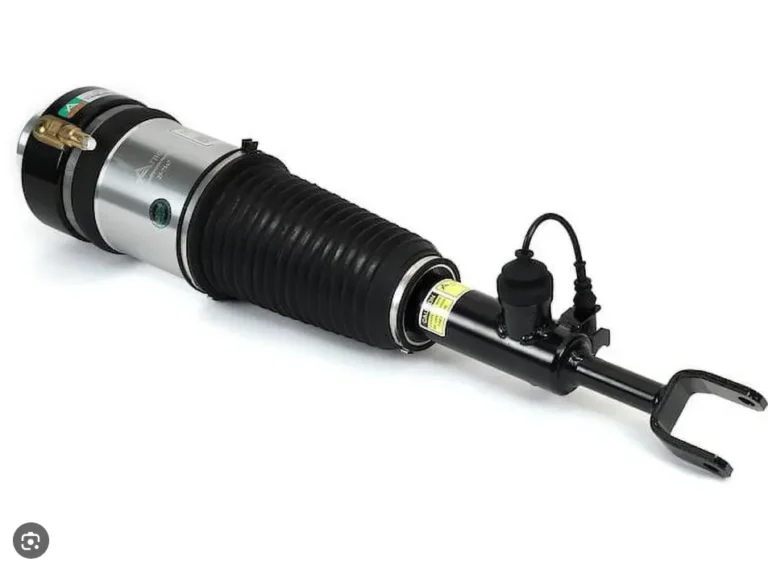
The Audi A6 C6’s Adaptive Air Suspension (AAS) is essential for ride comfort and stability, but its components degrade over time, particularly the front left air strut (OE 4F0616039R). Common failures include sagging, compressor cycling, and dashboard warnings. Understanding these issues aids in sourcing quality aftermarket replacements.
The Xiaomi SU7 is one of the most talked-about electric sedans entering the global market. Designed with luxury-level ride comfort and advanced chassis engineering, the vehicle uses a modern air suspension system that will inevitably require maintenance, repair, and OE replacement parts as mileage accumulates.
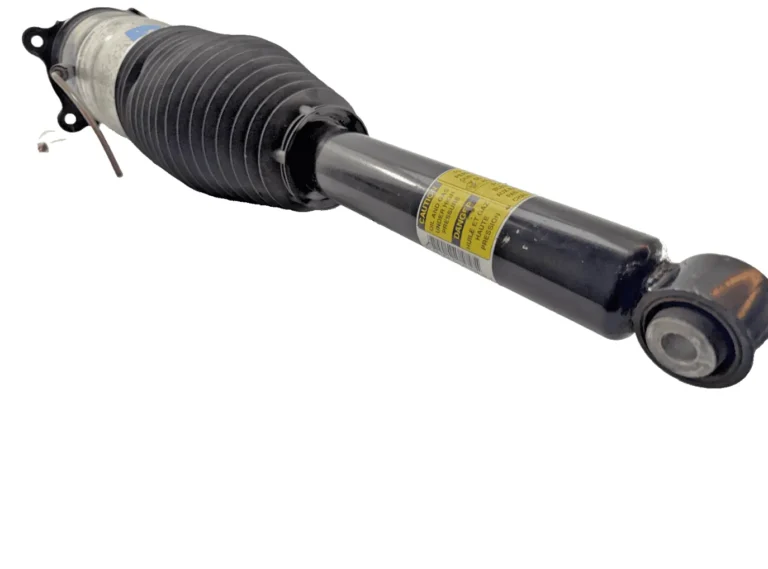
This aftermarket rear air suspension spring is a direct replacement for Tesla Model S (2012–2016), built to OEM specifications to restore ride comfort, stability, and automatic ride-height control. The complete assembly includes the air bag and shock absorber for easy installation and precise fitment. Made from durable, corrosion-resistant materials, it solves common issues like sagging, air leaks, and warning messages. Tested for airtightness and durability, it offers reliable performance and a cost-effective alternative to dealer parts for workshops, distributors, and Tesla owners.
Learn common air suspension air spring failures, symptoms, and maintenance tips. Improve vehicle reliability with quality aftermarket OE replacement parts.
To provide the best experiences, we use technologies like cookies to store and/or access device information. Consenting to these technologies will allow us to process data such as browsing behavior or unique IDs on this site. Not consenting or withdrawing consent, may adversely affect certain features and functions.
Functional
Always active
The technical storage or access is strictly necessary for the legitimate purpose of enabling the use of a specific service explicitly requested by the subscriber or user, or for the sole purpose of carrying out the transmission of a communication over an electronic communications network.
Preferences
The technical storage or access is necessary for the legitimate purpose of storing preferences that are not requested by the subscriber or user.
Statistics
The technical storage or access that is used exclusively for statistical purposes.The technical storage or access that is used exclusively for anonymous statistical purposes. Without a subpoena, voluntary compliance on the part of your Internet Service Provider, or additional records from a third party, information stored or retrieved for this purpose alone cannot usually be used to identify you.
Marketing
The technical storage or access is required to create user profiles to send advertising, or to track the user on a website or across several websites for similar marketing purposes.
 To get a vehicle back to factory ride height, we prioritize high-quality air ride bellows and heavy-duty air spring assembly units. Cutting corners on rubber quality leads to premature dry rot and leaks. For those working on luxury builds, choosing a BMW 7 Series air spring ensures the fitment and pressure ratings match the original specs exactly.
 When I talk to shop owners and DIYers, the debate usually boils down to a quick fix versus a long-term solution. Choosing between individual air ride bellows and complete air spring assembly kits changes everything from your upfront costs to the long-term reliability of your vehicle.
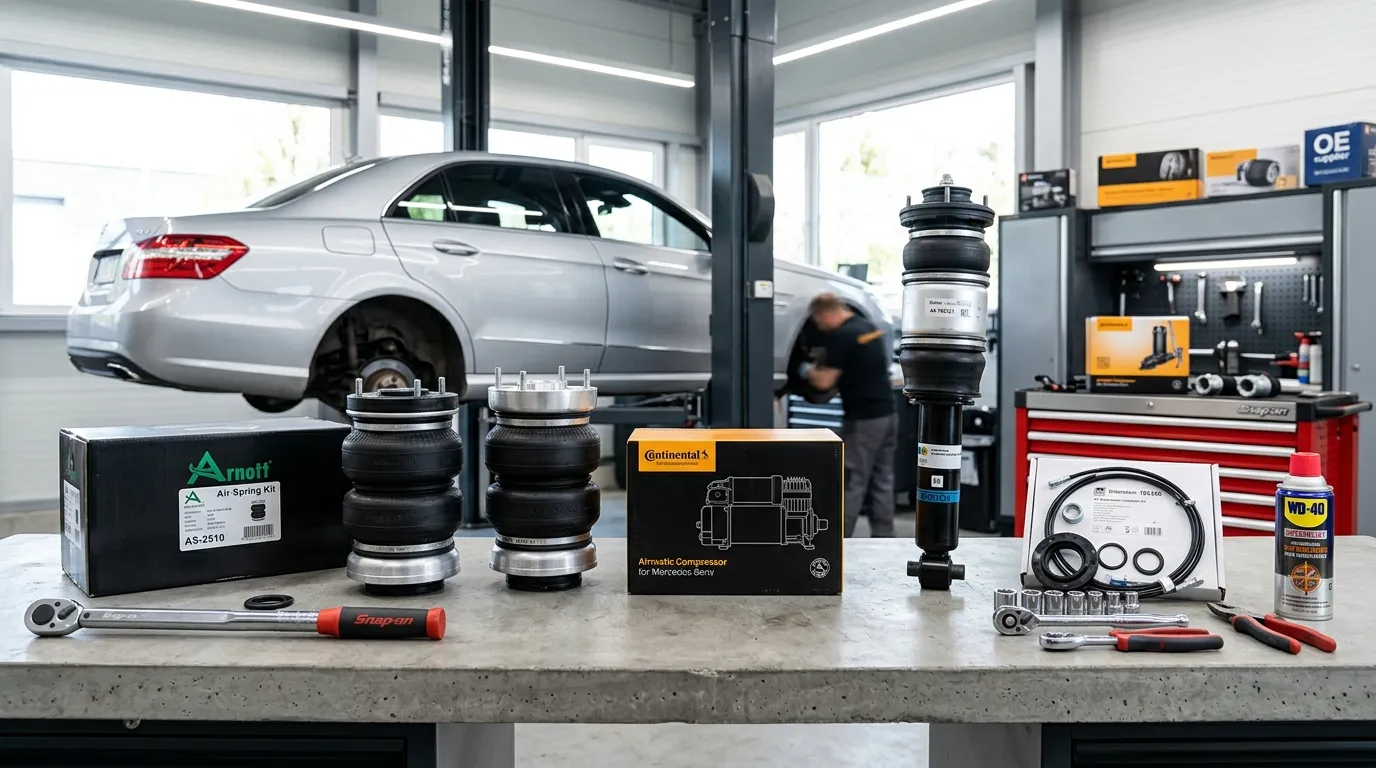 To get a vehicle back to factory ride height, we prioritize high-quality air ride bellows and heavy-duty air spring assembly units. Cutting corners on rubber quality leads to premature dry rot and leaks. For those working on luxury builds, choosing a BMW 7 Series air spring ensures the fitment and pressure ratings match the original specs exactly.
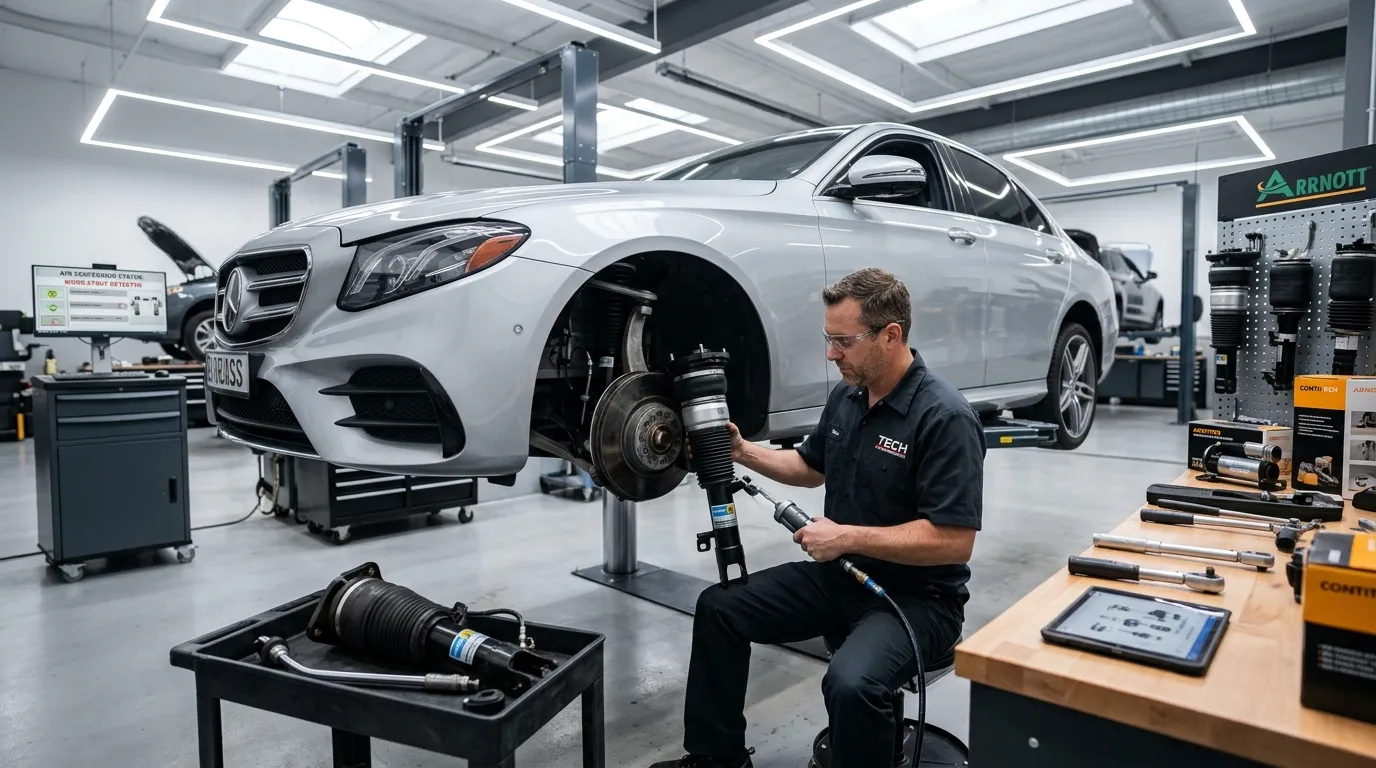 Luxury and utility vehicles in the US face unique wear patterns depending on their design and typical usage. I’ve seen a consistent demand for Audi A6 and BMW 7 Series repairs, where the rear air bags are often the first to go due to constant load-leveling. Maintaining the luxury feel of your sedan requires precision parts, like our Audi air spring with reservoir, which mirrors the performance found in high-end A6 and A8 setups.
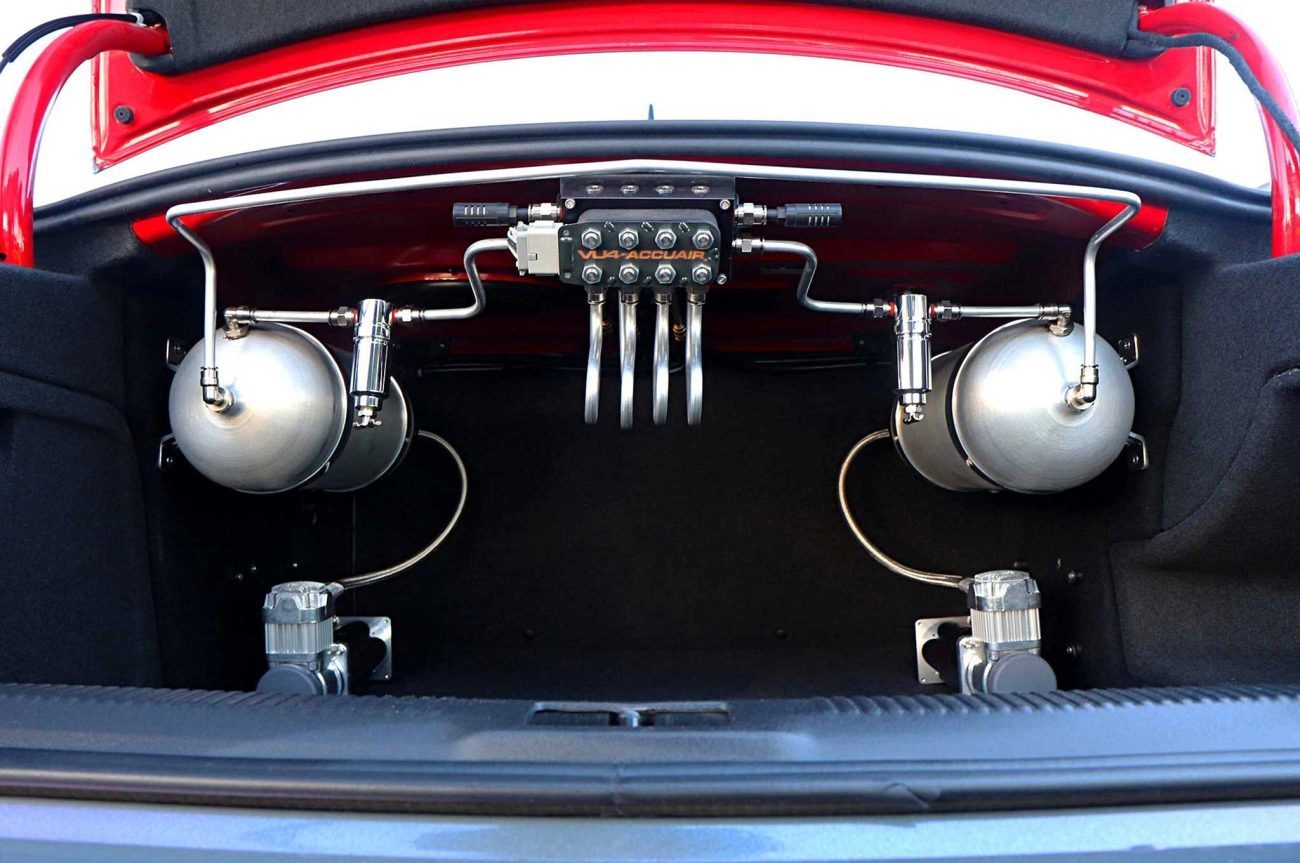 When I talk to shop owners and DIYers, the debate usually boils down to a quick fix versus a long-term solution. Choosing between individual air ride bellows and complete air spring assembly kits changes everything from your upfront costs to the long-term reliability of your vehicle.