Tesla Model S Air Suspension Failure: Diagnosis & Replacement for OE 6006352-00 Rear Left Strut
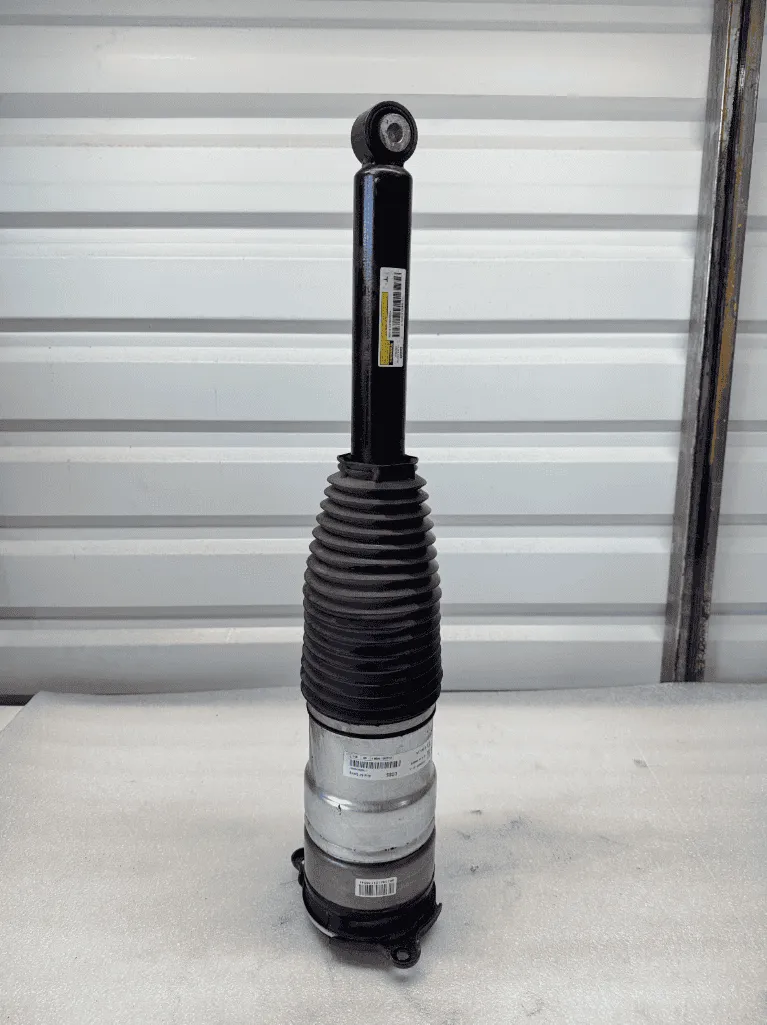
This aftermarket rear air suspension spring is a direct replacement for Tesla Model S (2012–2016), built to OEM specifications to restore ride comfort, stability, and automatic ride-height control. The complete assembly includes the air bag and shock absorber for easy installation and precise fitment. Made from durable, corrosion-resistant materials, it solves common issues like sagging, air leaks, and warning messages. Tested for airtightness and durability, it offers reliable performance and a cost-effective alternative to dealer parts for workshops, distributors, and Tesla owners.
Introduction
The Tesla Model S is renowned for its adaptive Smart Air Suspension system, which seamlessly adjusts ride height and damping to optimize aerodynamics, comfort, and handling. However, as these vehicles age—particularly the pre-facelift models produced between 2012 and 2015—the pneumatic components are prone to degradation. A frequently reported failure point among global owners and technicians is the rear left (driver side) air suspension strut.
When the air strut fails, the vehicle’s handling dynamics are severely compromised, and secondary components like the air compressor can suffer fatal damage due to overworking. This article provides a comprehensive technical analysis of the OE 6006352-00 rear left air strut module, detailing common failure symptoms, root causes, and best practices for aftermarket replacement.
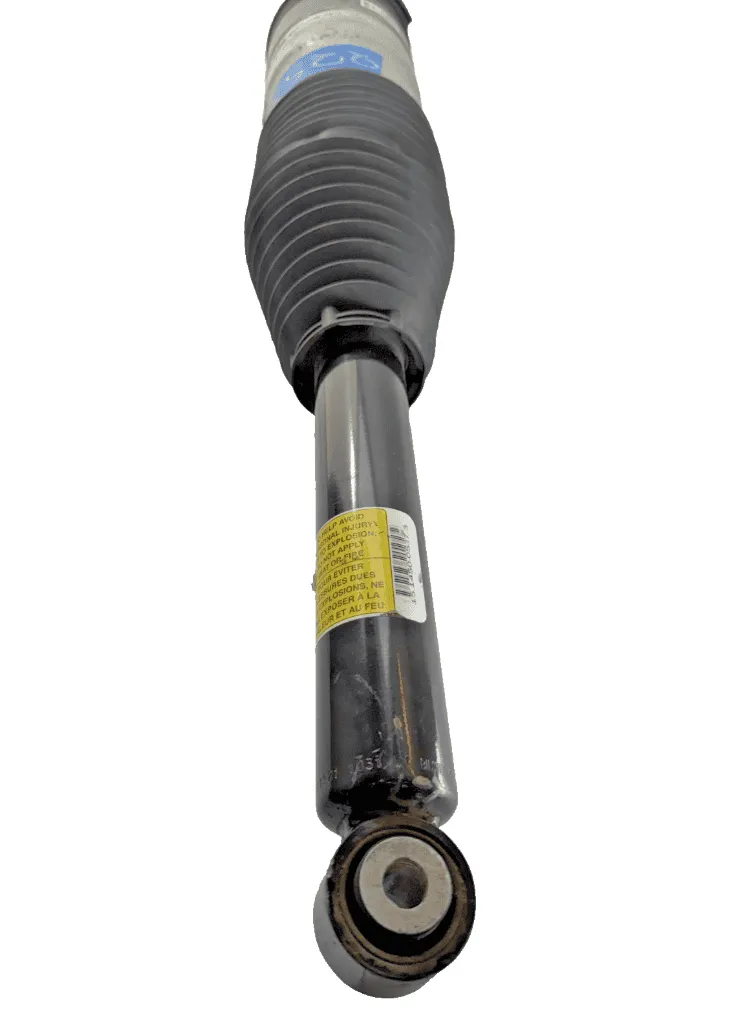
Product Identification
To ensure a proper repair, verifying the exact part number is critical. The suspension geometry and payload tuning of the Tesla Model S require specific strut modules depending on the corner and drivetrain configuration.
- Product Name: Rear Left Air Suspension Spring Strut Module / Shock Absorber Assembly
- Compatible Vehicles: Tesla Model S (RWD and Dual Motor AWD)
- Production Years: 2012–2016 (and certain configurations up to 2021 pre-Palladium update)
- Position: Rear Left (Driver Side in LHD regions)
- Primary OE Number: 6006352-00
- Common Revisions/Equivalents: 6006352-00-C, 6006352-00-D, 6006352-07-A, 6006352-07-B, 6006352-06-C, 1067461-25-C
For B2B distributors and professional repair facilities, stocking reliable aftermarket equivalents to the 6006352-00 series is highly recommended, as dealer-sourced replacements can be cost-prohibitive for aging vehicles.
Common Problems & Symptoms
Based on global failure reports from specialized EV repair centers and Tesla owner forums, the OE 6006352-00 strut exhibits several distinct failure modes. Technicians should look for the following symptoms during diagnostics:
1. Overnight Suspension Sagging
The most common and immediate symptom is a loss of ride height on the rear left corner. If the vehicle sits noticeably lower on the driver’s rear side after being parked overnight or for several days, the internal air bladder or the lower sealing O-rings have lost their ability to hold pressure.
2. Dashboard Warning Messages
The Tesla Model S onboard diagnostic system will typically trigger a “Suspension Needs Service” alert on the MCU (Media Control Unit). More severe leaks often trigger code TAS_a217 (“Air suspension compressor disabled – Vehicle unable to raise”), indicating that the system has detected an unmanageable leak and shut down the compressor to prevent overheating.
3. Audible Hissing Sounds
In the early stages of a leak, a faint hissing sound can sometimes be heard from the rear left wheel well immediately after the vehicle is parked and the suspension attempts to level itself.
4. Harsh, Bouncy Ride (Hydraulic Failure)
While the air spring handles ride height, the integrated shock absorber handles damping. If the vehicle bounces excessively over bumps but maintains its ride height, the hydraulic fluid within the damper portion of the strut has likely leaked out, rendering the shock absorber ineffective.
Causes of Failure
Why do these specific struts fail? Global diagnostic data reveals that the failures are rarely due to catastrophic structural defects, but rather environmental exposure and material fatigue.
“Rust Jacking” and Seal Displacement
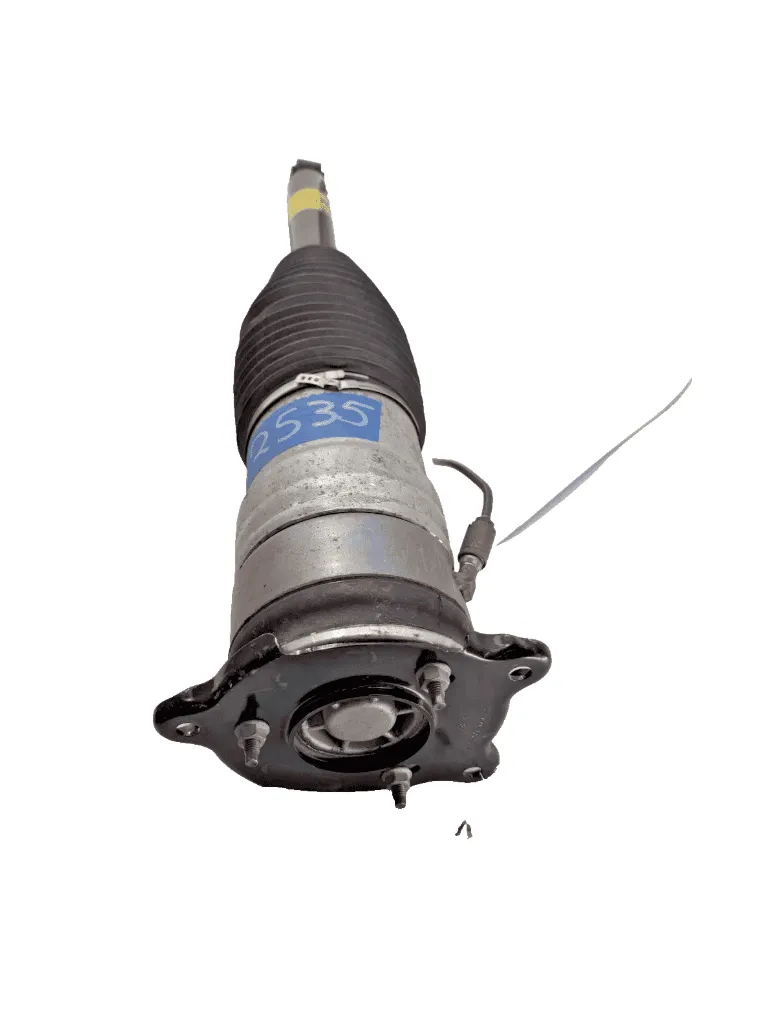
One of the most documented causes of slow air leaks in the 6006352-00 strut is a phenomenon known as “rust jacking.” The strut utilizes a series of rubber O-rings to seal the lower portion of the air spring against the aluminum and steel shock body. Over time, moisture and road salts infiltrate this area, causing the metal to corrode and expand. This expanding rust physically pushes the rubber O-rings out of their seated positions, creating a pathway for pressurized air to escape.
Rubber Bladder Degradation
Like all pneumatic suspension systems, the flexible rubber bellow undergoes continuous stress. Constant inflation/deflation cycles, combined with exposure to ozone, extreme temperatures, and road debris, cause the rubber to dry rot, become brittle, and eventually develop micro-cracks. These cracks widen under the immense weight of the EV battery pack, resulting in sudden pressure loss.
Compressor Burnout (Secondary Failure)
It is crucial to understand that a leaking OE 6006352-00 strut will often destroy the vehicle’s air compressor. Because the system continuously attempts to reach the target ride height, a persistent strut leak forces the compressor pump to run well past its intended duty cycle. This leads to thermal degradation of the compressor motor and piston rings.
Installation & Replacement Tips
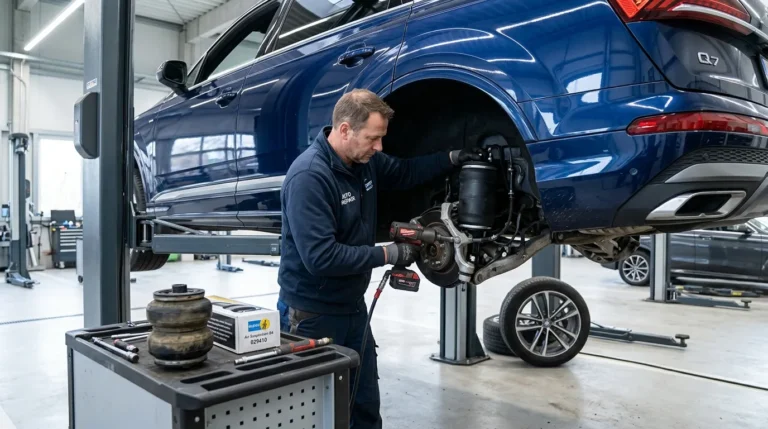
When installing an aftermarket OE 6006352-00 replacement, strict adherence to EV safety and suspension protocols is required to ensure a successful repair.
Post-Installation Alignment: Replacing a rear strut alters the suspension geometry. A comprehensive four-wheel alignment is mandatory to prevent uneven tire wear and ensure the vehicle’s autopilot sensors track correctly.
Activate Jack Mode: Before lifting the Tesla Model S, you must enable “Jack Mode” via the center touchscreen (Controls > Suspension > Jack). Failing to do so will cause the suspension system to actively try to level the car while it is being hoisted, potentially damaging the valve block, remaining struts, or causing injury.
Perform a Soap Test: Before condemning the strut, spray a soapy water solution around the upper air line fitting and the lower crimp rings of the shock body. If bubbles form, the leak is confirmed. Ensure the plastic air line itself is not cracked before ordering a new strut.
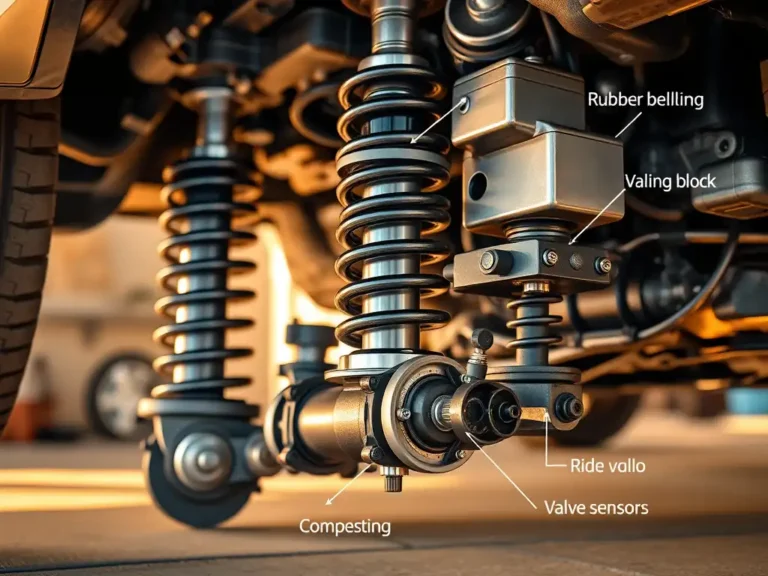
Inspect the Valve Block and Compressor: Because strut leaks overwork the compressor, use diagnostic software to test the output pressure of the compressor pump. Check the valve block for moisture intrusion; if the desiccant in the compressor has failed, moisture may have contaminated the entire air circuitry.
Torque Under Load: When installing the new aftermarket shock absorber, do not fully tighten the lower control arm bolts while the suspension is hanging at full droop. Lower the vehicle so the suspension is resting at its normal ride height before applying final torque. This prevents premature tearing of the rubber bushings.
Conclusion
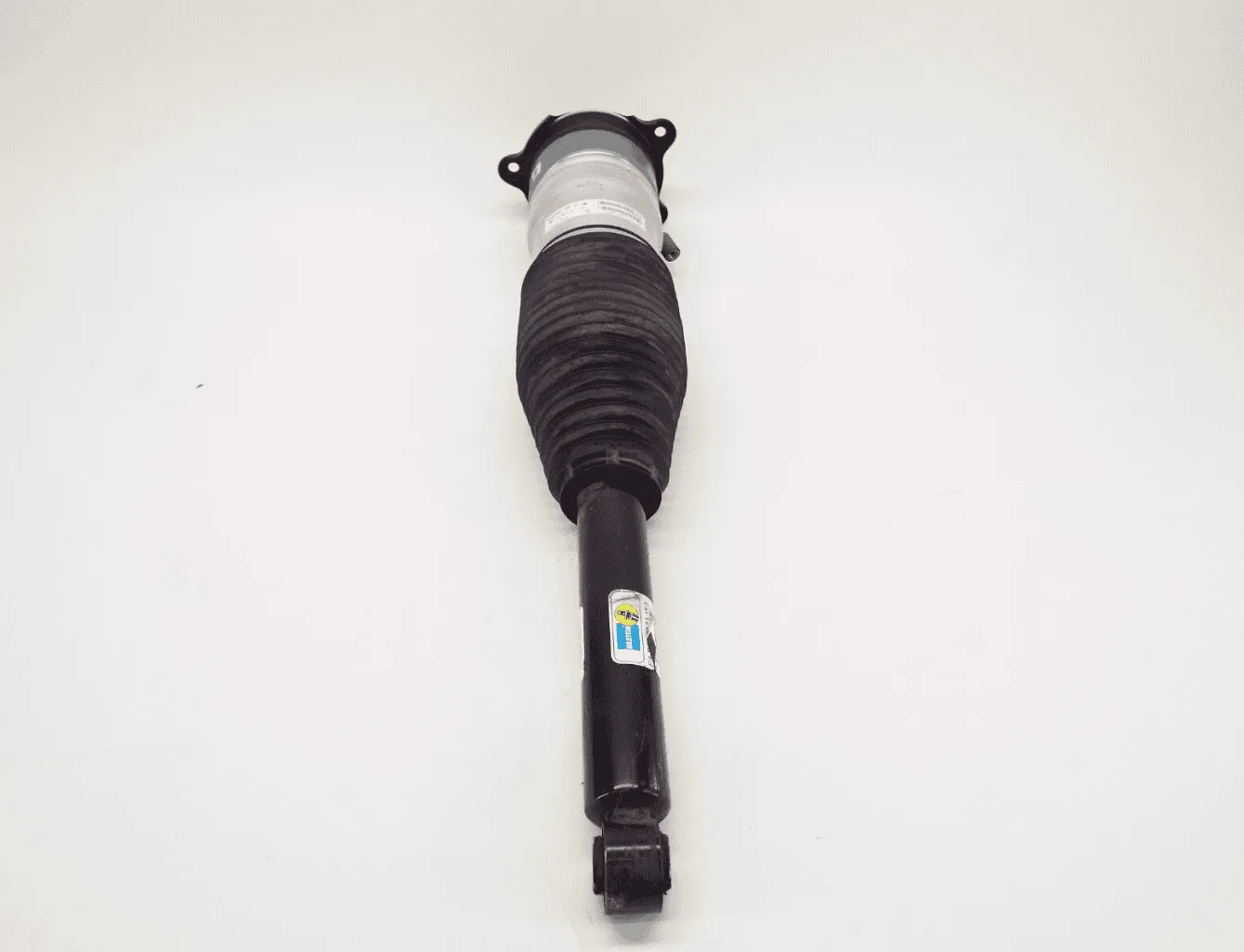
The OE 6006352-00 rear left air suspension strut is a critical structural and comfort component of the Tesla Model S. As these vehicles log higher mileage, failures due to rust jacking, rubber fatigue, and seal degradation are becoming standard maintenance items.
For automotive repair shops and aftermarket parts distributors, understanding the exact failure modes of this component allows for more accurate diagnostics and better inventory planning. By sourcing high-quality aftermarket struts that feature upgraded anti-corrosion coatings and reinforced rubber bladders, technicians can offer reliable, cost-effective repair solutions compared to OEM dealer replacements, ensuring these luxury EVs remain safely on the road.
If you want to buy it and please click the below picture