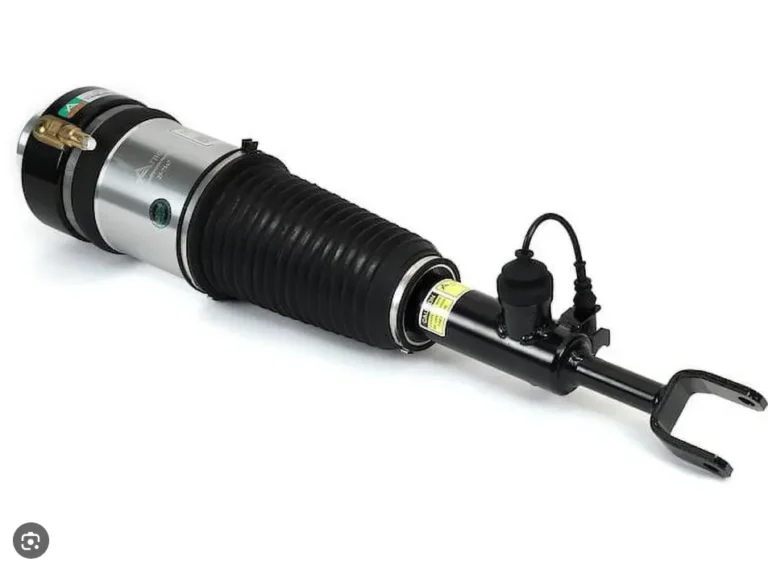
Air Suspension Air Spring Failures: A Practical Guide for Workshops & Distributors
Learn common air suspension air spring failures, symptoms, and maintenance tips. Improve vehicle reliability with quality aftermarket OE replacement parts.
Introduction
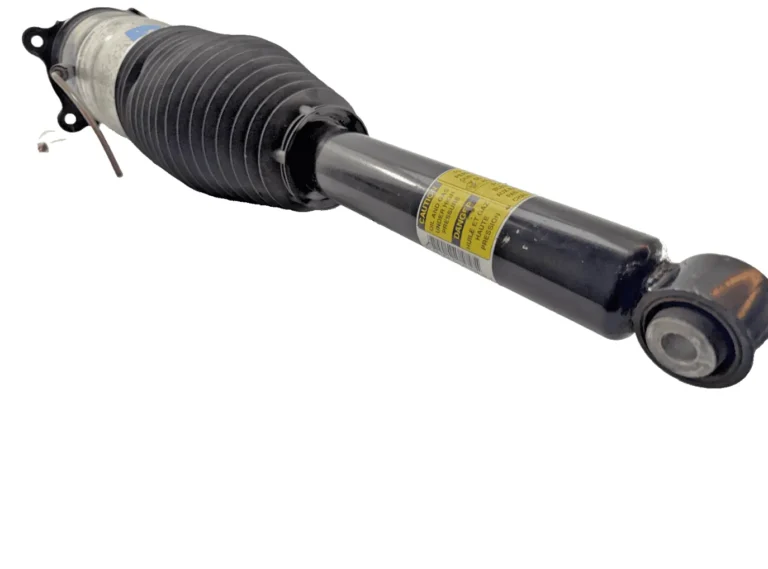
Air suspension technology has become standard in many premium passenger cars, SUVs, and commercial vehicles. For auto repair shops, distributors, and wholesalers, air suspension air spring replacement is now a fast-growing segment in the aftermarket parts industry.
As the primary load-bearing component of an air suspension system, the air spring plays a critical role in maintaining vehicle ride height, stability, and comfort. When air springs fail, the consequences go far beyond poor ride quality—they can trigger warning lights, cause uneven tire wear, and even lead to complete suspension system failure.
This guide explains the most common air suspension air spring failures, their causes, symptoms, and how high-quality OE replacement aftermarket parts can help your customers avoid costly downtime.
—
Why Air Suspension Air Springs Fail
Although air springs are designed for durability, they operate under constant pressure, temperature fluctuations, and mechanical stress. Over time, three major failure categories account for the majority of replacements:
- Loss of airtightness (most common)
- Structural damage
- Internal component aging or malfunction
Understanding these failure types helps repair professionals diagnose problems faster and recommend the right aftermarket air suspension parts.
Loss of Airtightness: The Most Common Air Spring Failure
Air suspension relies entirely on sealed compressed air. Any leak—large or small—compromises vehicle ride height and system performance.
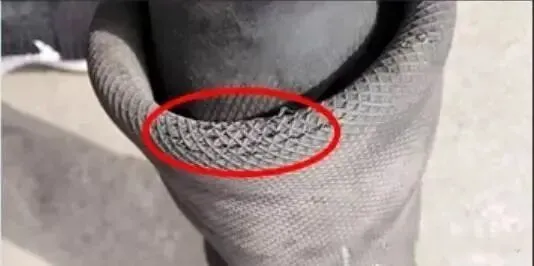
Rubber Bladder Aging and Cracking
Air spring bladders are typically made from butyl rubber or neoprene. Over time, environmental exposure and repeated pressure cycles cause the rubber to deteriorate.
Main Causes
- UV exposure, moisture, and temperature fluctuations
- Oil contamination from road debris or engine leaks
- Continuous expansion and compression during normal driving
Typical Symptoms
- Vehicle sinks on one corner after parking overnight
- Air compressor runs frequently or longer than normal
- Suspension adjustment becomes slow or unresponsive
- In severe cases, the air spring bursts and the vehicle drops completely
High-Risk Areas
Cracks often appear at:
- Upper and lower mounting joints
- Folded areas where stress concentration occurs
For repair shops, this is one of the most common reasons customers seek air suspension air spring OE replacement parts.
Seal and O-Ring Deterioration
Even if the rubber bladder is intact, sealing components can fail.
Common Causes
- Long-term compression and heat aging
- Improper installation or misalignment
- Lack of specialized assembly grease
Symptoms to Watch
- Faster air leakage compared to rubber cracks
- Noticeable hissing sound from the suspension area
- ECU warning: “Low Air Spring Pressure”
This type of failure highlights the importance of proper installation and high-quality aftermarket air suspension components.
Inflation Port Blockage or Leakage
The inflation port is a small component—but a critical one.
Causes
- Sticking check valves
- Loose air hose fittings
- Dirt, mud, or water contamination
Symptoms
- Air spring cannot inflate
- Vehicle height does not increase despite compressor operation
For workshops, these issues often lead to misdiagnosis. Replacing the air spring assembly with a complete OE replacement unit is usually the most reliable solution.
Structural Damage: Mechanical Failures in Air Springs
Mechanical damage often results from road conditions, heavy loads, or installation errors.
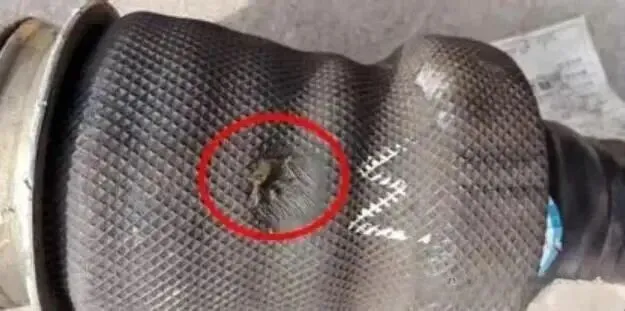
Cord Layer Rupture
Inside every air suspension air spring is a reinforced polyester cord layer that provides strength and load capacity.
Causes
- Overloading or severe chassis impact
- Driving with damaged rubber layers
- Foreign objects penetrating the bladder
Symptoms
- Visible bulging during inflation
- Abnormal noise from suspension interference
- Risk of sudden rupture
This failure is especially common in commercial vehicles and SUVs used on rough terrain.
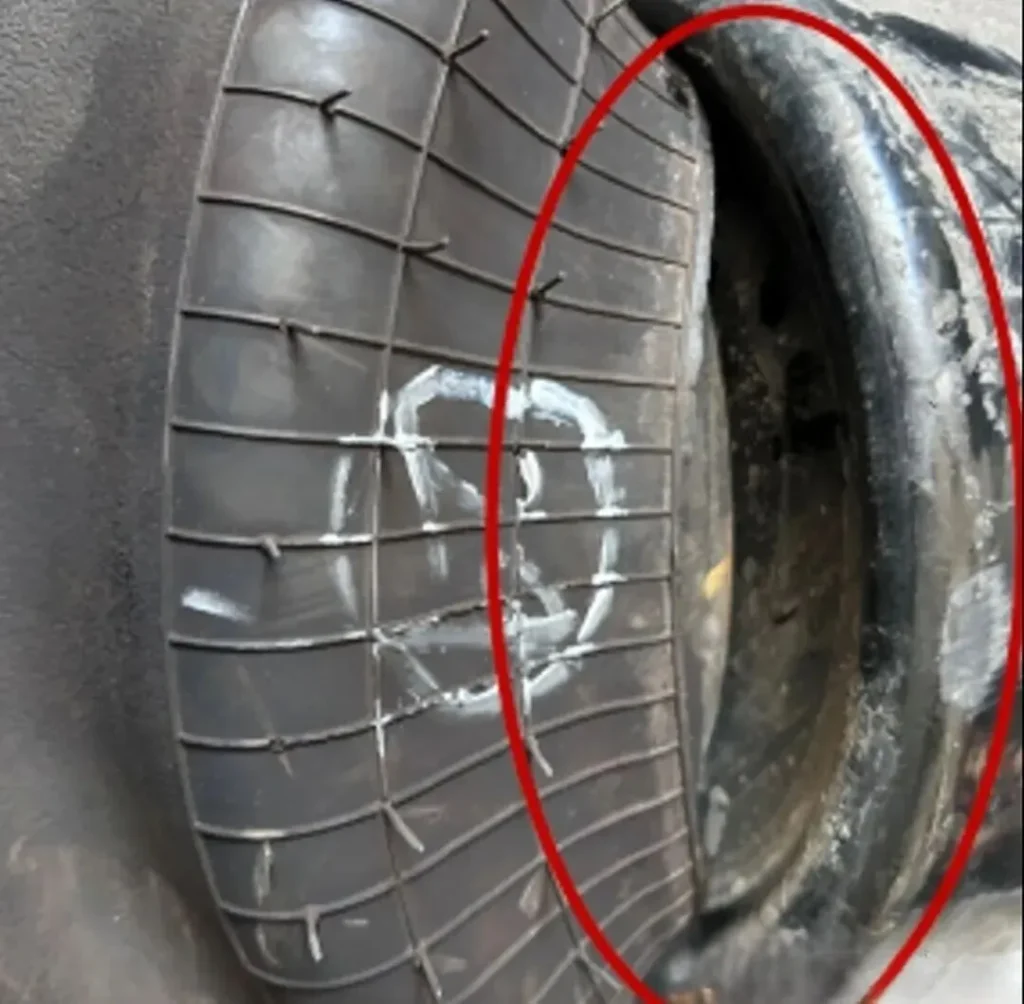
Deformation or Weld Failure of Mounting Plates
The upper and lower trays connect the air spring to the suspension system.
Causes
- Severe chassis impacts
- Welding defects
- Long-term vibration fatigue
Symptoms
- Metallic clanging noise during driving
- Increased clearance in suspension components
- Accelerated wear and air leakage
Replacing the entire air spring assembly with a compatible OE replacement ensures proper fit and long-term durability.
Air Spring Bursting and Bulging
This is the most dramatic—and dangerous—failure mode.
Typical Causes
- Continuous operation under high pressure
- Severe overloading
- Manufacturing defects such as trapped air during vulcanization
- High temperature weakening the rubber structure
Warning Signs
- Loud “bang” during driving
- Immediate drop in vehicle ride height
- Localized soft or swollen areas on the air spring
For distributors and wholesalers, offering reliable aftermarket parts is essential to prevent repeat failures and warranty claims.
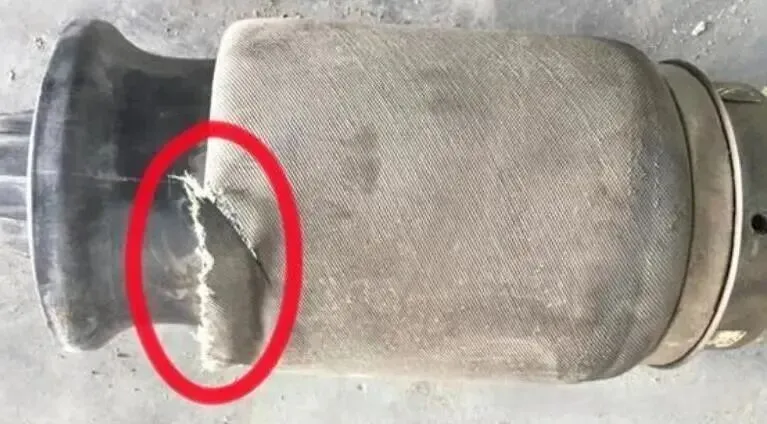
Internal Component Aging and Wear
Some air spring failures develop gradually and are easy to overlook during routine service.
Piston Friction Noise
The piston inside the air spring helps regulate air volume and spring characteristics.
Causes
- Wear of piston surface coating
- Insufficient lubrication
Symptoms
- Squeaking noise during suspension adjustment
- Ride height still functions normally initially
- Noise worsens over time
Early replacement prevents more severe damage to the air suspension system.
Abnormal External Wear
External wear often indicates alignment or clearance issues.
Causes
- Insufficient clearance with nearby components
- Debris such as sand or glass acting as abrasives
- Vehicle drift or axle misalignment
Symptoms
- Deep scratches (>1 mm) on air spring surface
- Continuous uneven wear patterns
This type of damage highlights the importance of vehicle compatibility when selecting aftermarket air suspension parts.
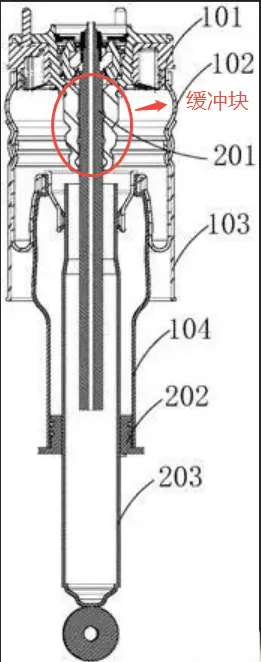
Aging of Internal Limit Blocks
Limit blocks prevent excessive compression under heavy loads.
Causes
- Rubber aging and cracking
Symptoms
- Metallic clanging over bumps
- Over-compression under heavy load
- Increased risk of bottom puncture
Ignoring these symptoms can lead to complete air spring failure.
Quick Inspection Checklist for Workshops
Technicians can quickly identify potential air suspension air spring failures using a simple method:
Look
Check for cracks, bulges, and abnormal wear.
Feel
Detect continuous air leaks around seals and fittings.
Listen
Watch for frequent compressor operation or unusual noises.
Measure
Compare vehicle ride height across all corners.
This simple routine helps workshops diagnose issues faster and recommend timely OE replacement solutions.
Why High-Quality Aftermarket Air Springs Matter
For distributors and wholesalers, product quality directly affects reputation and repeat business. Reliable aftermarket air suspension air springs offer:
- OE replacement fit and performance
- Broad vehicle compatibility
- Reduced warranty claims
- Improved customer satisfaction
- Strong demand in the global aftermarket
As air suspension systems become more common, demand for dependable replacement parts continues to grow.
Conclusion
Air suspension air springs are durable but not immune to wear and environmental stress. Loss of airtightness, structural damage, and internal aging remain the leading causes of failure across passenger and commercial vehicles.
For auto repair shops, early diagnosis prevents costly system damage. For distributors and wholesalers, supplying high-quality aftermarket OE replacement air springs ensures long-term customer trust and market competitiveness.
By understanding failure symptoms and promoting proper maintenance, industry professionals can help vehicle owners maintain comfort, safety, and performance—while growing their air suspension aftermarket business.